
More Giving stories
weekly podcasts
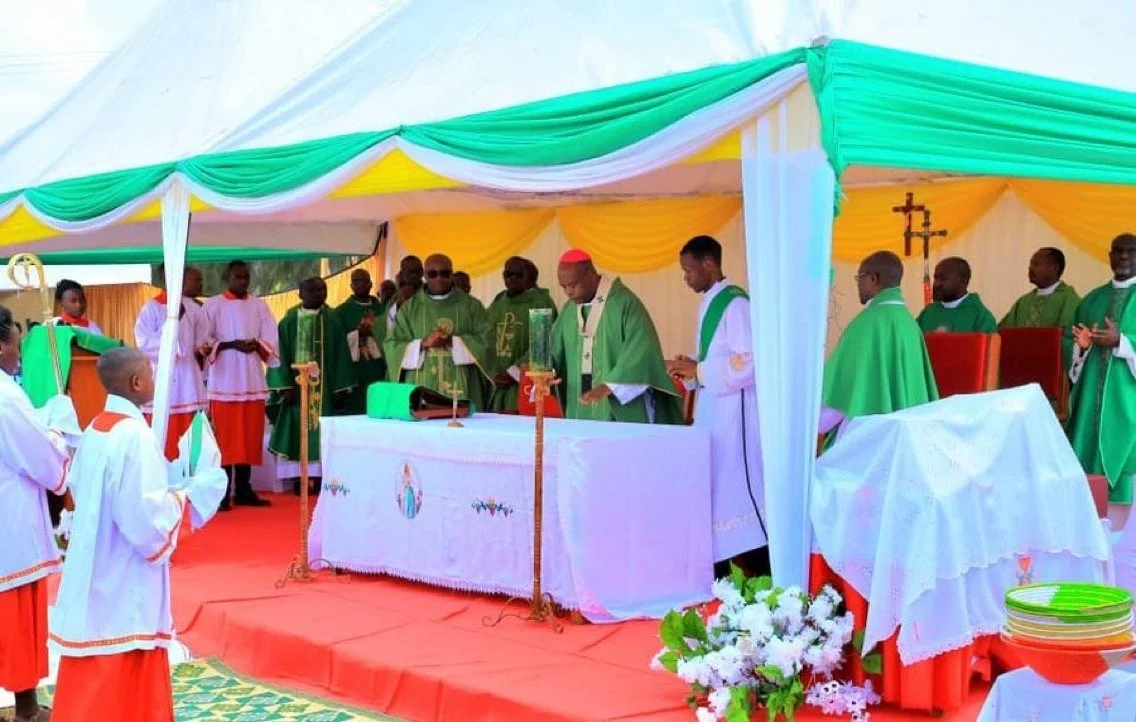
At Kitabi Parish in Bushenyi, generosity became something you could count, more than UGX 388 million raised in a single gathering.
Christians travelled from St. Kaggwa, Kyamuhunga, Bitooma, Kitabi and Buhimba parishes to support the Archdiocese of Mbarara Development Fund (AMDEF), pooling their resources around a bigger idea: that communities can help build and sustain the institutions they depend on.
The funds will support AMDEF’s work across education, health, and income-generating infrastructure, from schools and scholarships to healthcare facilities and investments designed to help parishes become more financially sustainable.
What becomes possible when communities begin by asking, “What can we build with what we already have?”
Read More:
The Mt Kenya Times, Hands Together, Hearts Giving: Bushenyi Rises for AMDEF
#OmutimaOmugabi
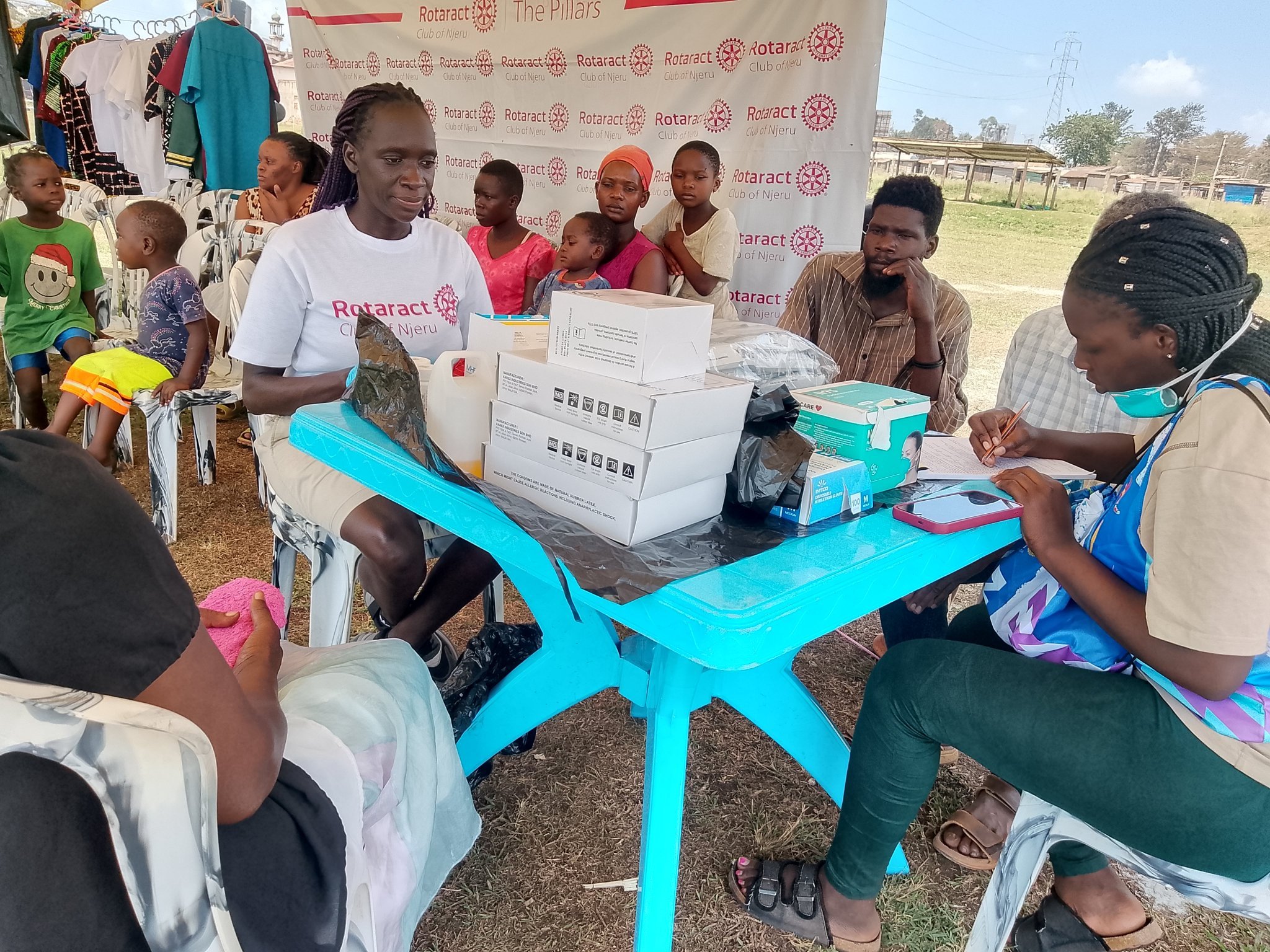
In UEB Village, giving arrived carrying tents, testing kits, glasses and something just as important: care.
The Rotaract Club of Njeru took health services into the community, where residents were tested, counselled and given health advice. Among the moments they shared was an older man seeing through his first pair of glasses, and a mother leaving with something every person deserves to have about their health: knowledge.
What could change if more of what we know, have and can do travelled the final mile to someone who needs it?
Read More: Rotaract Club of Njeru on X
#OmutimaOmugabi
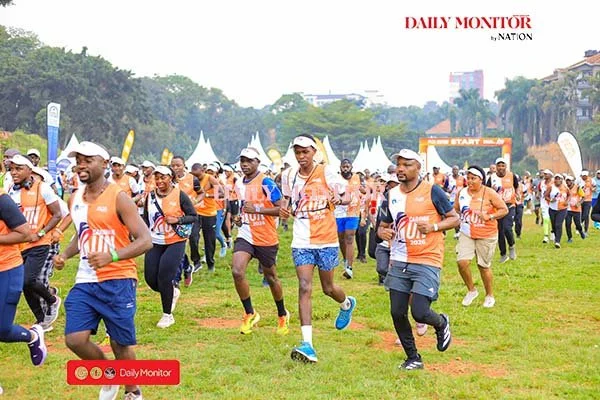
On 16 August, about 1,200 people put on their running shoes for the 12th AMDA Caravan an annual caravan run, turning movement into a way of mobilising resources for communities in Nyabwina Parish, Sheema District.
What would happen if more of us returned to the communities that shaped us asking, “What can I bring back?”
Read More:
Daily Monitor: Stakeholders Seek Shs500m To Address Health, Education Gaps In Sheema
Read The Daily Monitor Story
AMDA: AMDA Caravan Updates \ Visit AMDA
Original LinkedIn Post | View The Post
#OmutimaOmugabi
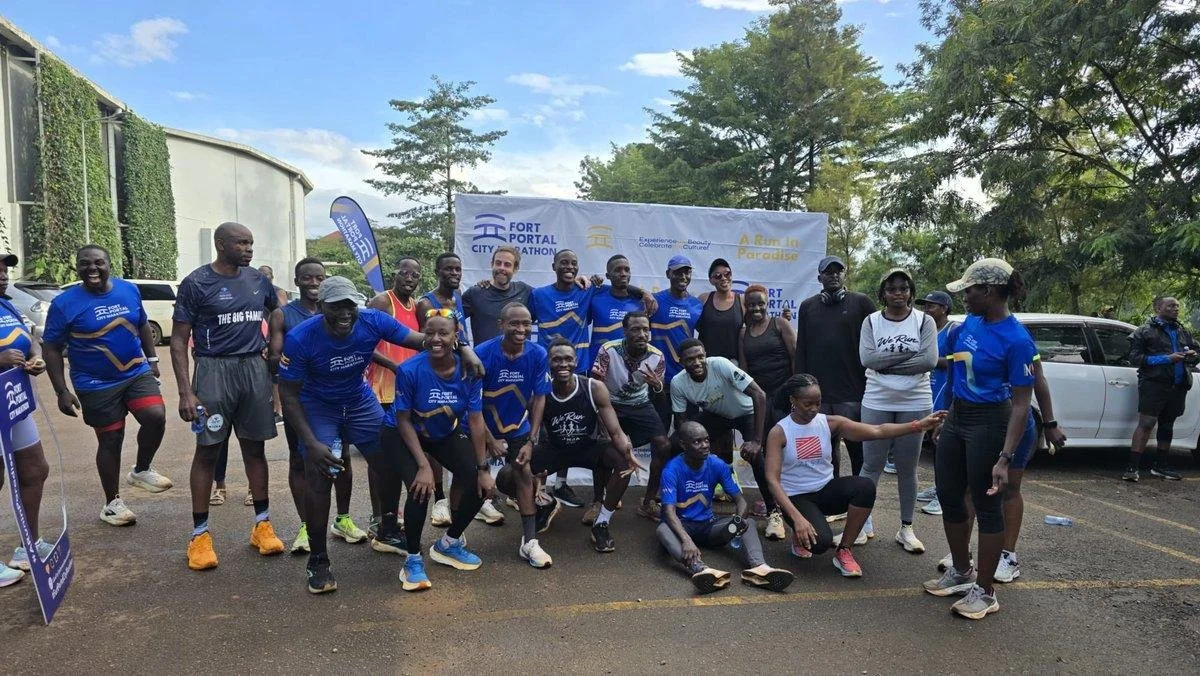
In July, the streets of Fort Portal filled with movement as more than 2,500 people came together for the second Fort Portal City Marathon. Against the hills, landmarks and communities of Uganda’s tourism city, thousands ran under the banner “A Run in Paradise.”
But beyond the medals and finish lines was another journey. This year, the marathon extended its community impact by supporting Tooro Babies Home, building on a tradition that has previously seen the initiative distribute 1,000 tree seedlings and commit support towards the Tooro Education Fund.
What if every gathering left something good behind?
READ MORE / SOURCES:
Ministry of Tourism, Wildlife and Antiquities, Fort Portal Marathon 2026: Where Sport, Tourism and Culture Converge to Showcase Uganda’s Beauty
Read the story
Nile Post: All Set for Fort Portal City Marathon 2026
Read the story
Kawowo Sports: Why Fort Portal City Marathon?
Read the story
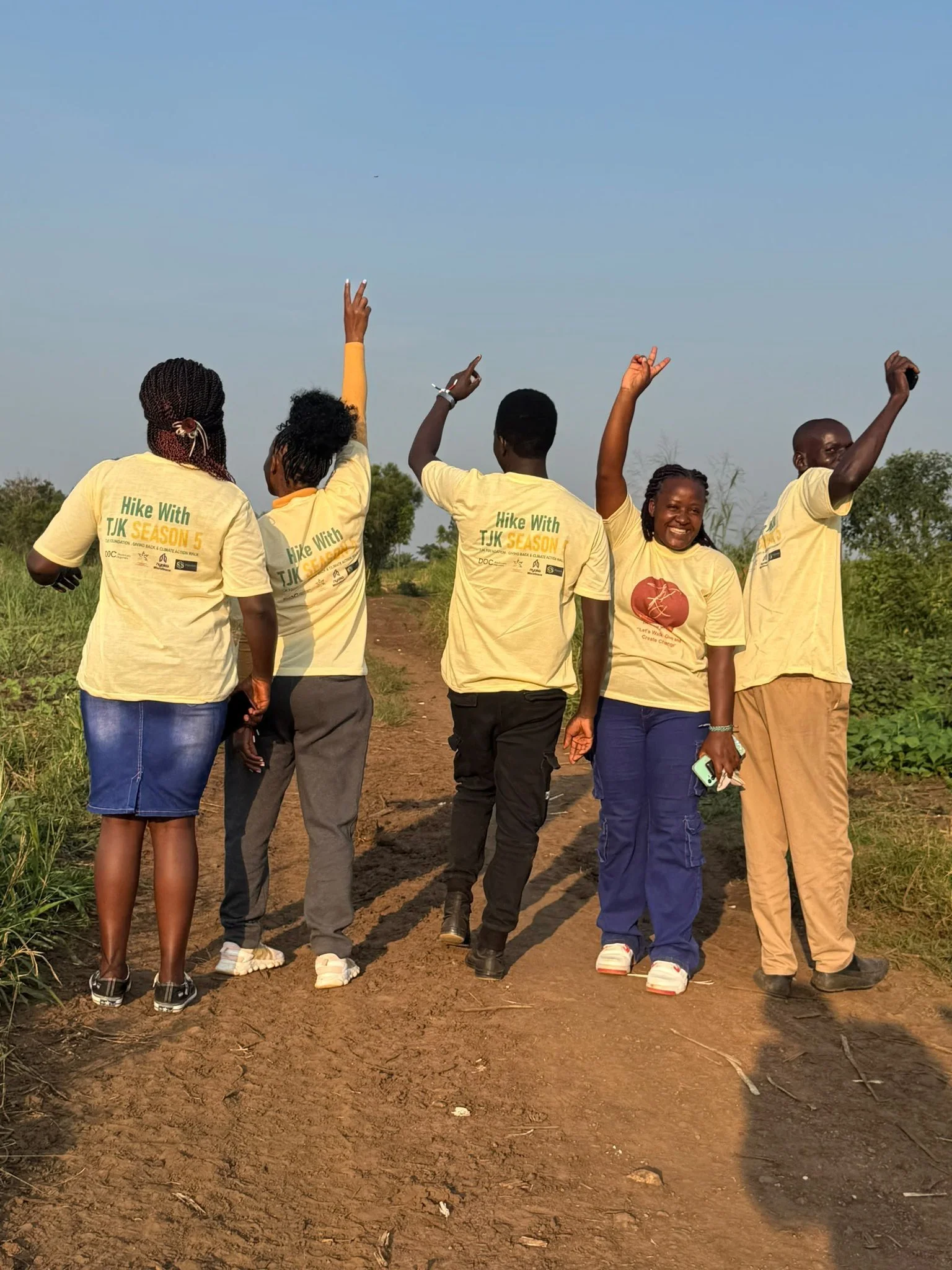
#HikeWithTJK Season 5 returns under the theme “Giving Back and Climate Action,” blending outdoor adventure with environmental restoration and community engagement across Uganda’s natural landscapes.
Organised by the TJK Foundation, the initiative continues a growing tradition of turning hiking into a platform for impact. In previous seasons, participants have taken part in tree planting drives, environmental clean-ups, and community conservation activities, especially in areas such as Wakiso District, where local ecosystems have benefited from hands-on restoration efforts.
What would it look like if every step you took helped the earth heal?
READ MORE / SOURCE:
TJK Foundation (official updates):
Follow: @TJKFound_Int
#OmutimaOmugabi
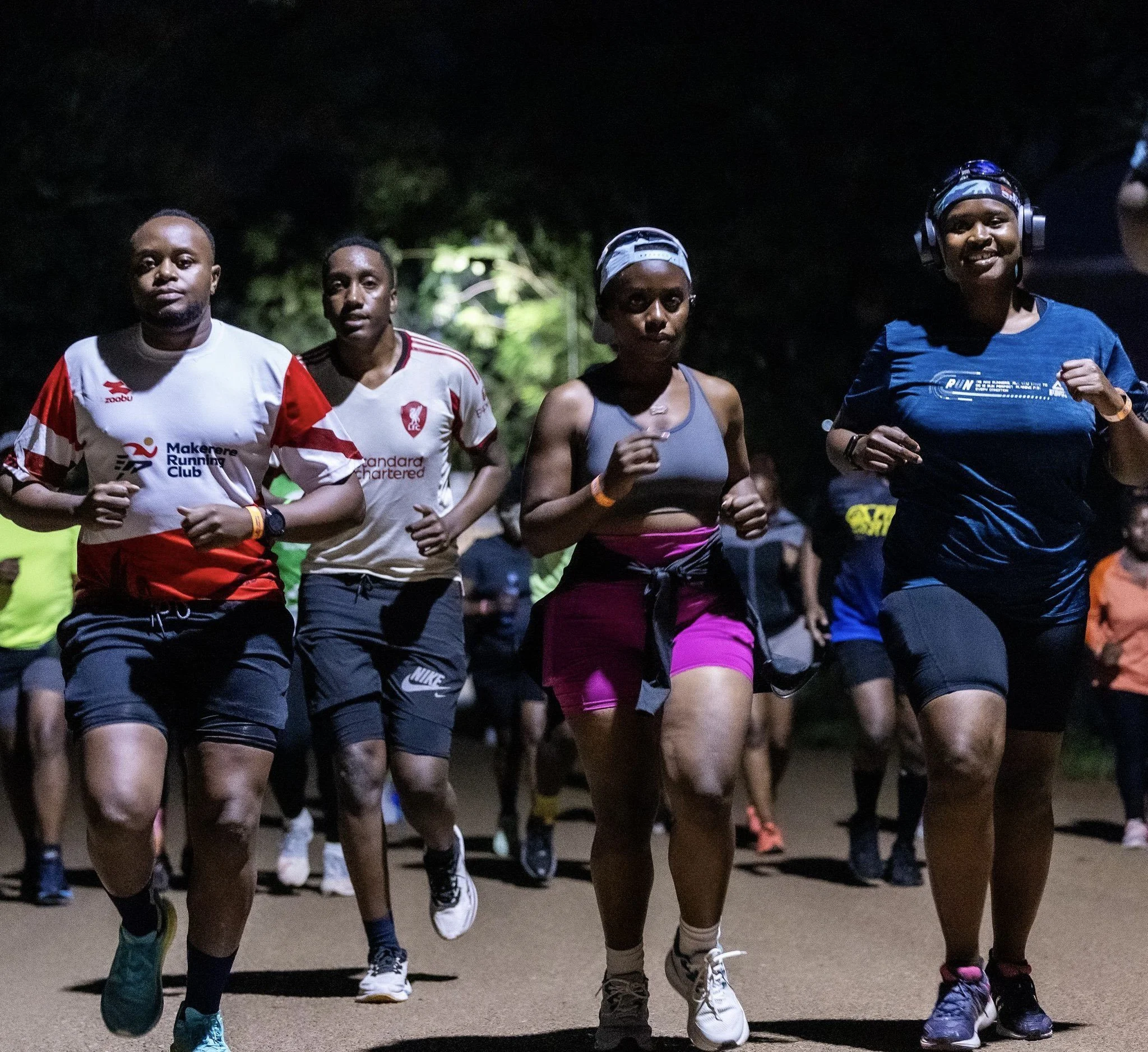
More than 350 runners traded sleep for the streets of Mutungo, Port Bell and Butabika for the Midnight Run, giving their time, energy and encouragement to one another. The neighbourhoods made room for hundreds of feet to pass through. Partners including Ugachick, Mighty Rides and TMR International Hospital contributed the support that helped make the experience possible. And within the running community itself, experienced runners have built a culture of looking out for one another, making sure the journey is shared and no one is left behind.
What spaces are we creating where simply showing up becomes a gift to someone else?
Read more:
Pulse Uganda, Kampala runners swap their beds for midnight road challenge:
Nile Post, Mad Bus Runners Experience a Different Side of Kampala in Midnight Run:
#OmutimaOmugabi
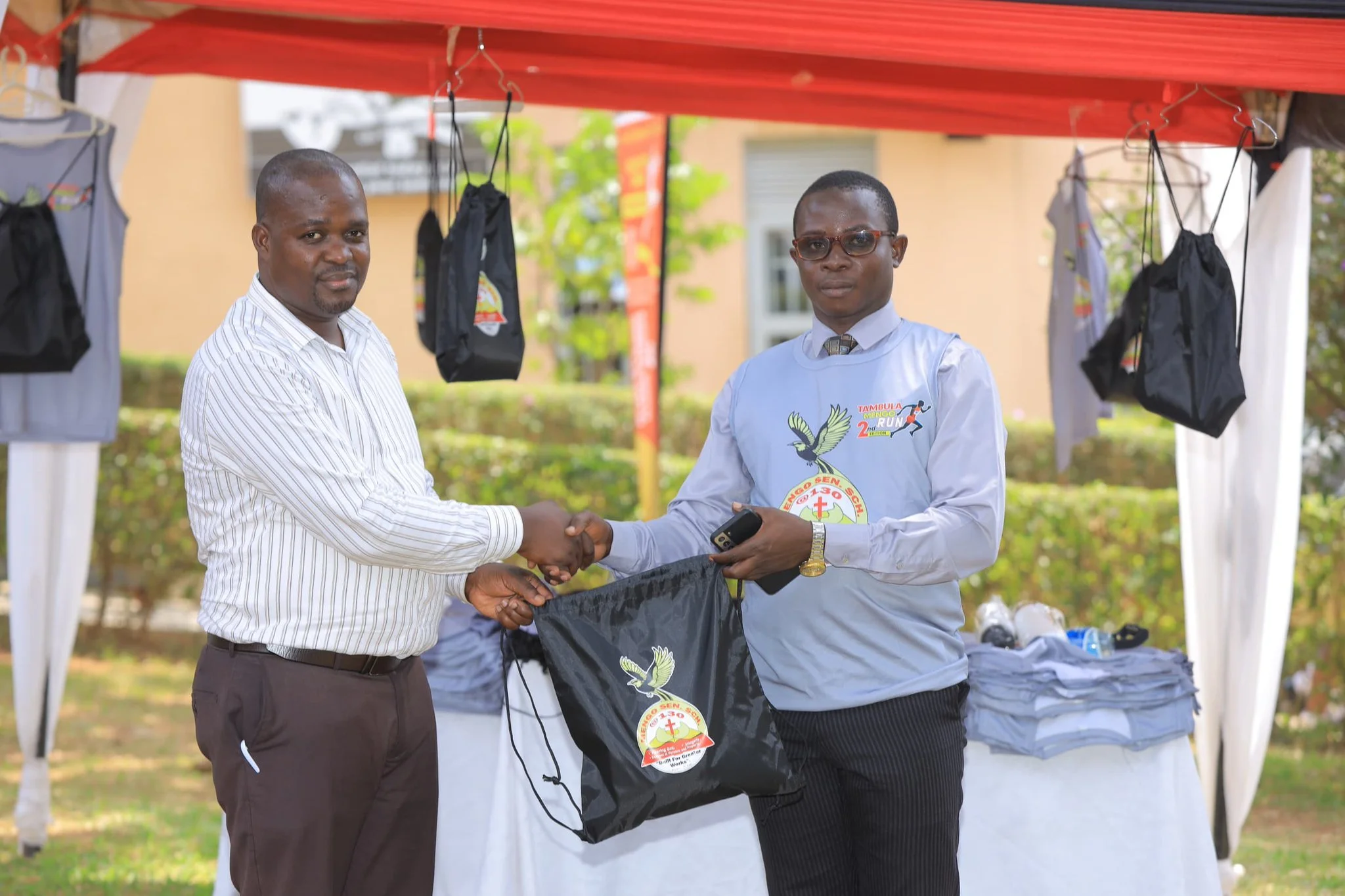
On 15 August, about 2,200 people returned to the road for the second edition of the Tambula Mengo Run, bringing together students, alumni, parents, religious leaders and friends of Mengo Senior School around one shared purpose: helping the school build for the generations coming after them.
What would change if more of us returned to the places that shaped us with something to give?
Read more:
Daily Monitor: Tambula Mengo Run fundraising story
Mengo Senior School: Mengo Senior School website
#OmutimaOmugabi

On 16 August, hundreds of people took to the roads of Entebbe for the 2nd Presidential CEO Run, turning five Kilometres into a collective act of giving.
The run raised support for children with disabilities at Entebbe Children’s Welfare Primary School, where about 200 learners are being supported and the need for better learning and accommodation spaces remains significant.
What could happen if more of the things we already love doing became opportunities to give?
Read more: NTV Uganda: New Vision:
#OmutimaOmugabi

Giving can begin with a family choosing to open its table to others. In July, Mathias Katamba and his family hosted a fundraising dinner in support of Teresa Babies’ Home, bringing together friends and well-wishers to contribute towards the care of children at the home.
#OmutimaOmugabi
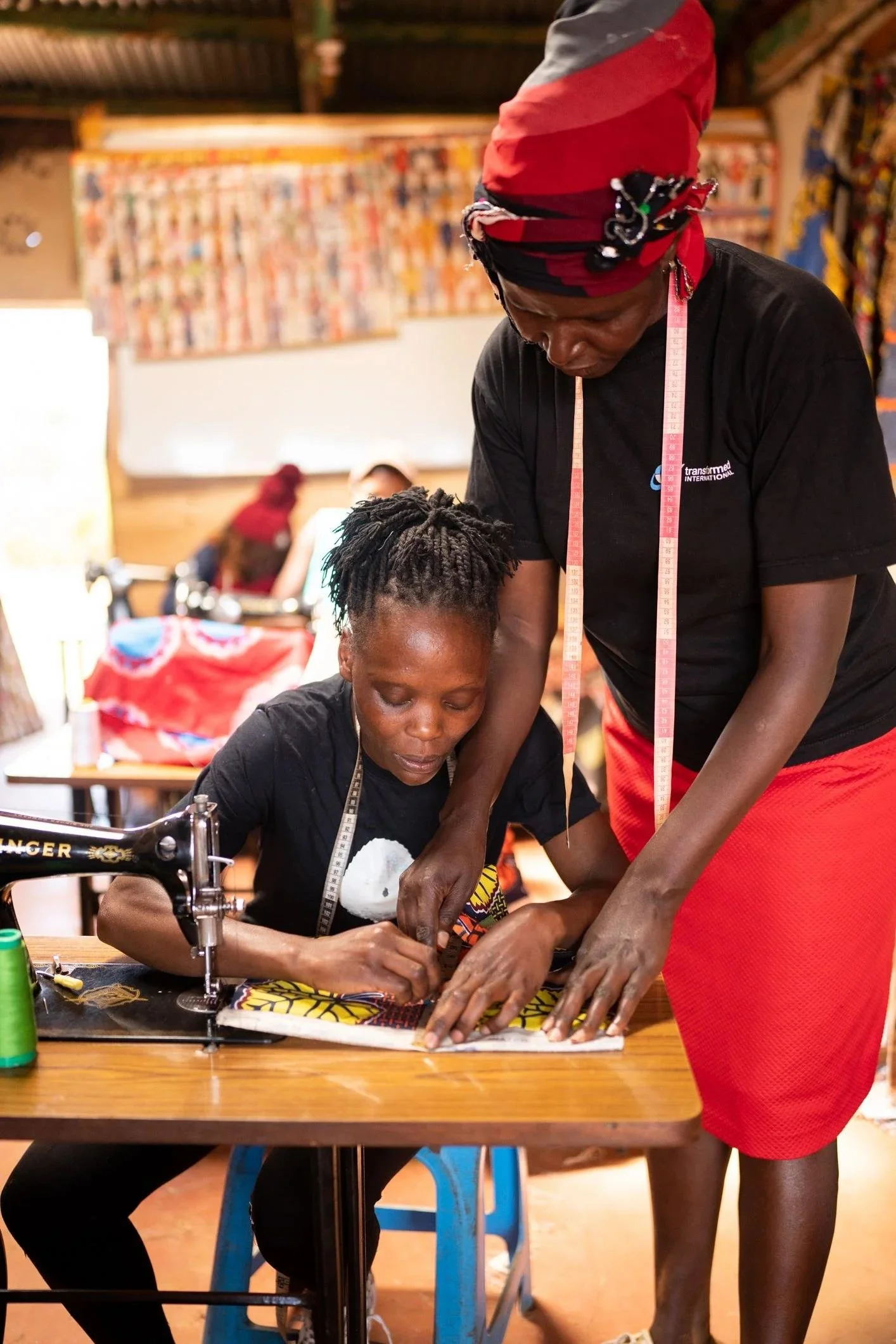
Mentorship is one of the ways experience can become a gift to the next generation. Through the Inter University Fashion Challenge, seven established Ugandan fashion designers and entrepreneurs are volunteering their time and expertise to guide university students as they explore careers within the fashion industry.
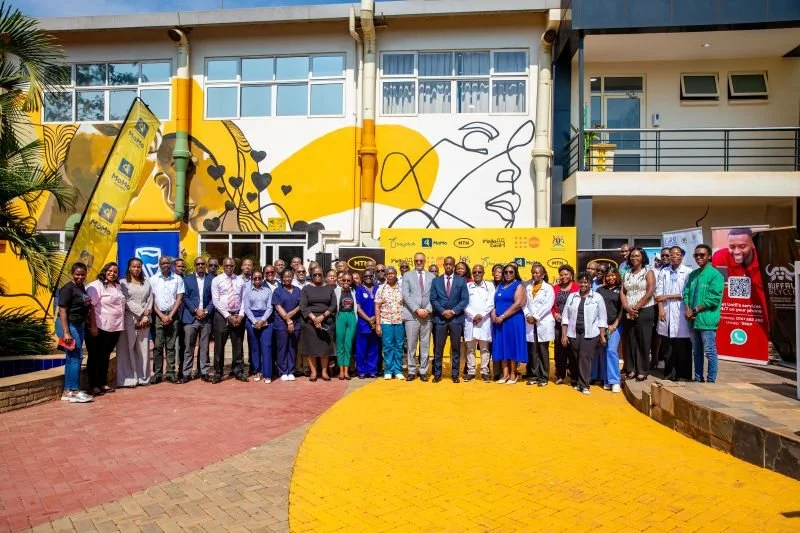
The 2026 21 Days of Y’ello Care has launched in Uganda under the theme “Expand Equitable Health for Every Community,” bringing MTN employees together to volunteer their time, skills and expertise in support of maternal and newborn healthcare.
#OmutimaOmugabi
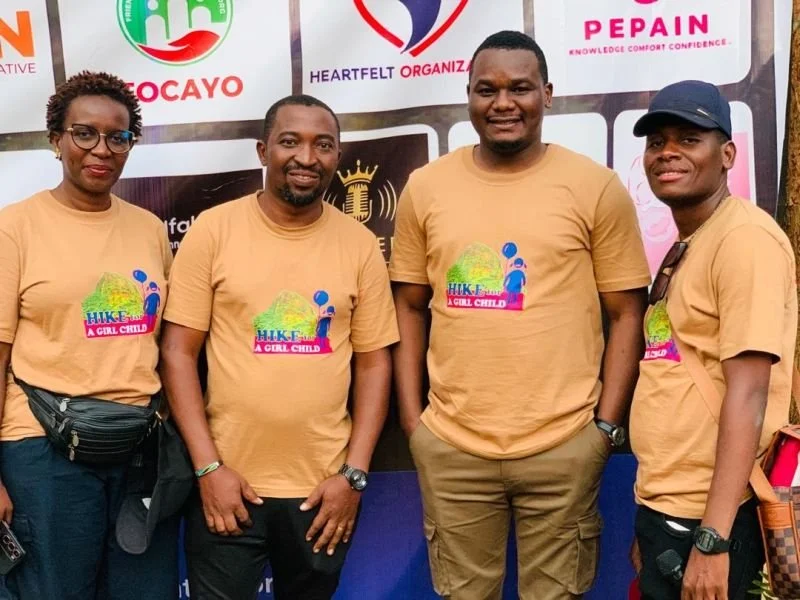
What began as a simple idea to help girls stay in school with dignity during menstruation is growing beyond Uganda. On 2 August, friends of The Brighter Binti Foundation organised their second Hike4Girls event in Tanzania, bringing together 38 hikers around menstrual health and girls’ education.
#OmutimaOmugabi
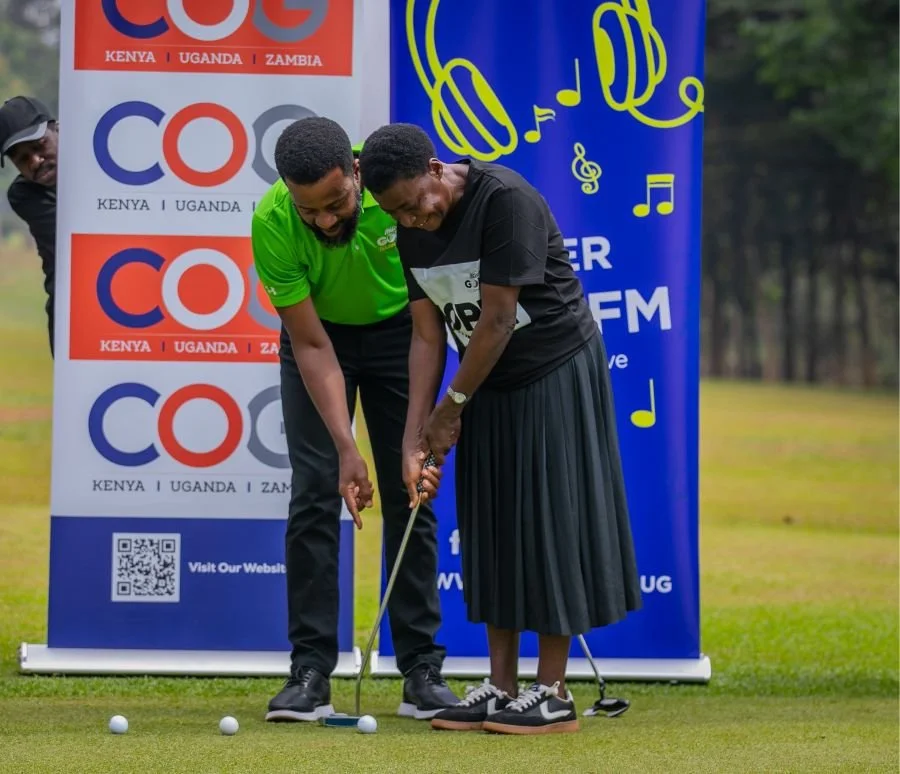
The 2026 Watoto Golf Tournament, themed “Hope on the Green,” is turning sport into an opportunity to give. The initiative aims to raise UGX 450 million to support 1,000 vulnerable mothers with business starter kits and livelihood support that can help them build sustainable sources of income.
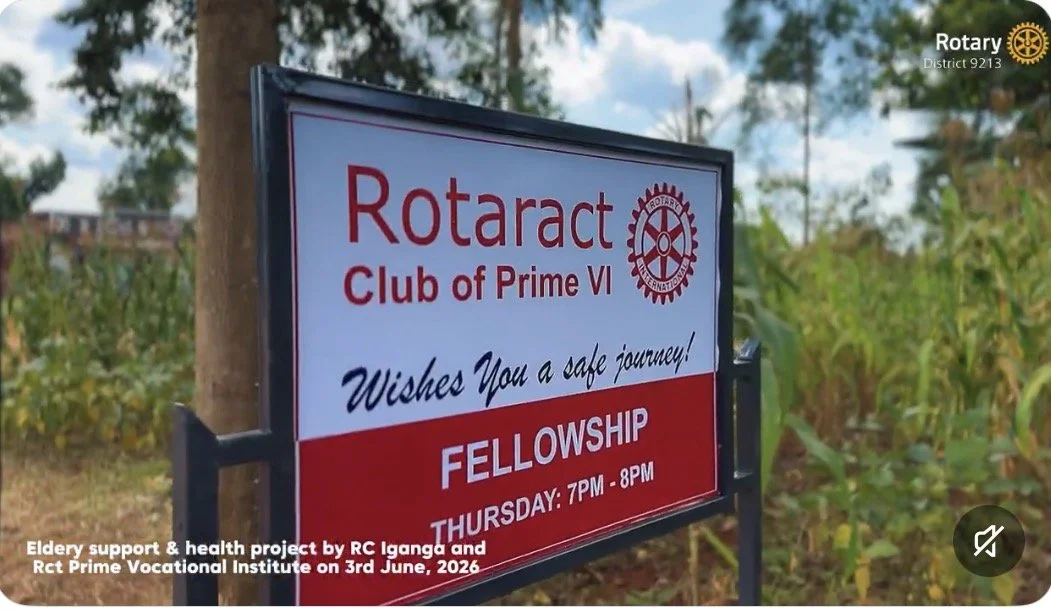
After learning about Muzei Basoga Isabirye’s difficult living conditions, the Rotaract Club of Prime VI, Prime Vocational Institute, and the Rotary Club of Iganga came together to provide him with a new home.
Their collective support also provided a toilet, water tank, and cooking area, demonstrating how giving can respond to practical needs while restoring comfort, safety, and dignity. The story is a powerful reminder that when people combine their resources, relationships, and skills, generosity can create lasting change.
The Rotary and Rotaract Clubs of Nsasa are bringing people together through Nsasa Brushes 4 Nyanja, a paint-and-nyama fundraising experience supporting initiatives in Nyanja Village, Mukono.
The activity shows how giving can be made joyful, social, and accessible. By gathering people around creativity, fellowship, and a shared cause, the clubs are turning an enjoyable community experience into support for local development.
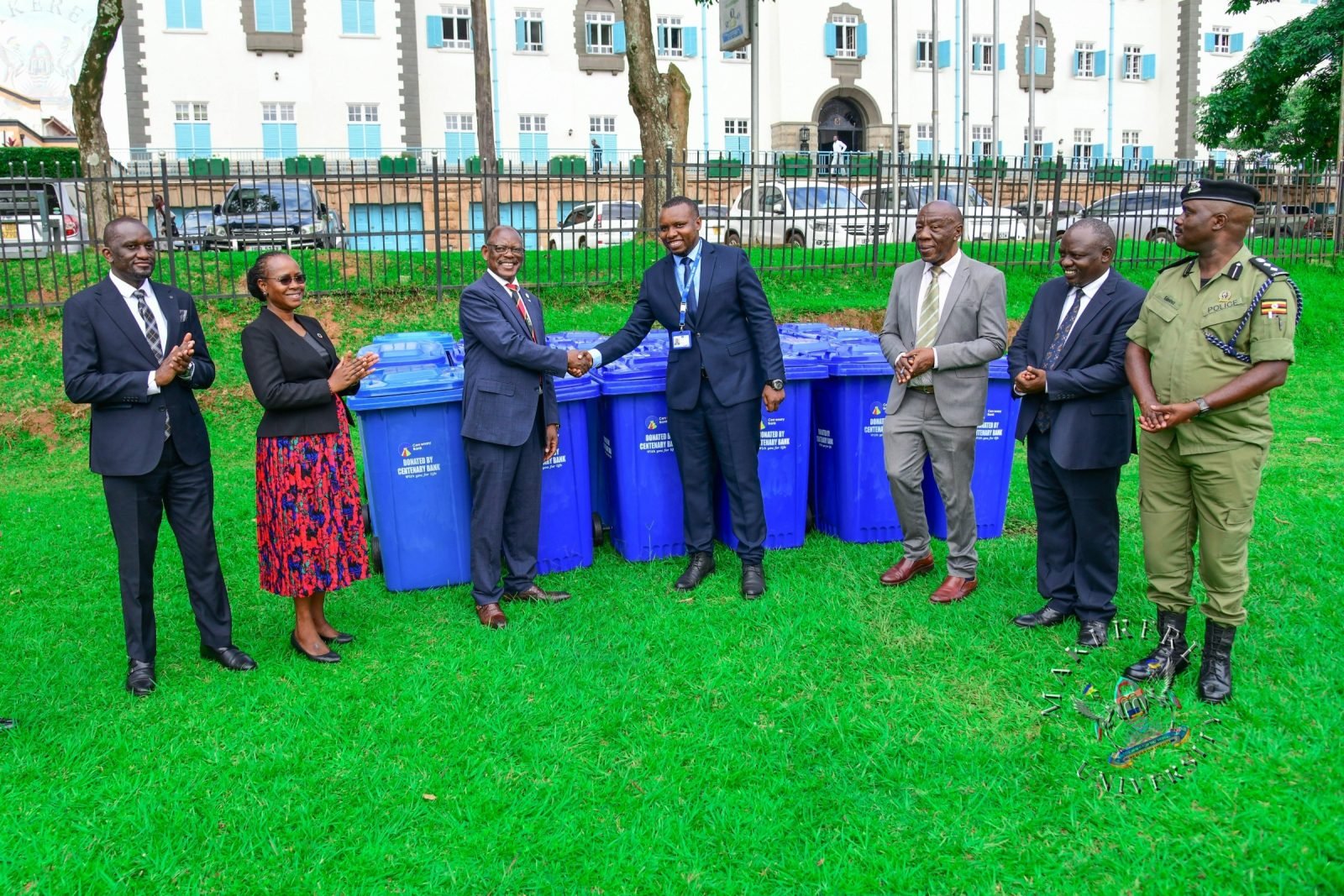
Centenary Bank’s Makerere Branch donated 30 waste bins to Makerere University, strengthening the institution’s efforts to improve waste management and maintain a cleaner campus. The contribution provides students, staff and visitors with practical facilities for responsible waste disposal while encouraging greater environmental awareness across the university community. By responding to an everyday institutional need, the donation demonstrates how corporate giving can support environmental stewardship, improve shared public spaces and help cultivate responsible habits among future leaders. Read more about the donation on X.
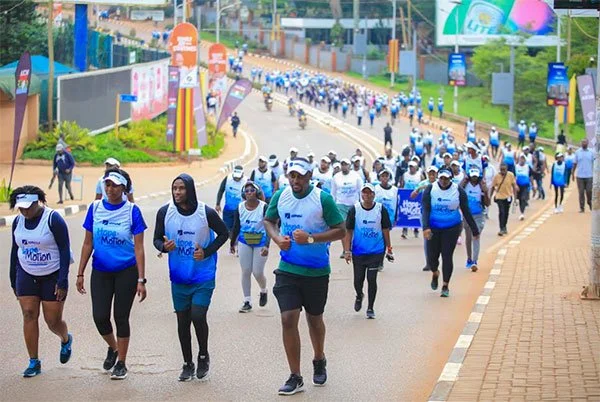
Hundreds of people joined dfcu Bank’s Hope in Motion Walk, turning the streets of Kampala into a collective expression of support for people living with sickle cell disease. Participants raised awareness, encouraged screening and blood donation, and helped mobilise resources for better patient facilities at the Mulago Sickle Cell Clinic. Contributions from dfcu employees surpassed the initiative’s initial fundraising target, showing how workplace giving and public participation can combine to improve healthcare environments and remind affected families that they do not have to face the condition alone. Read more about the completed walk on X.
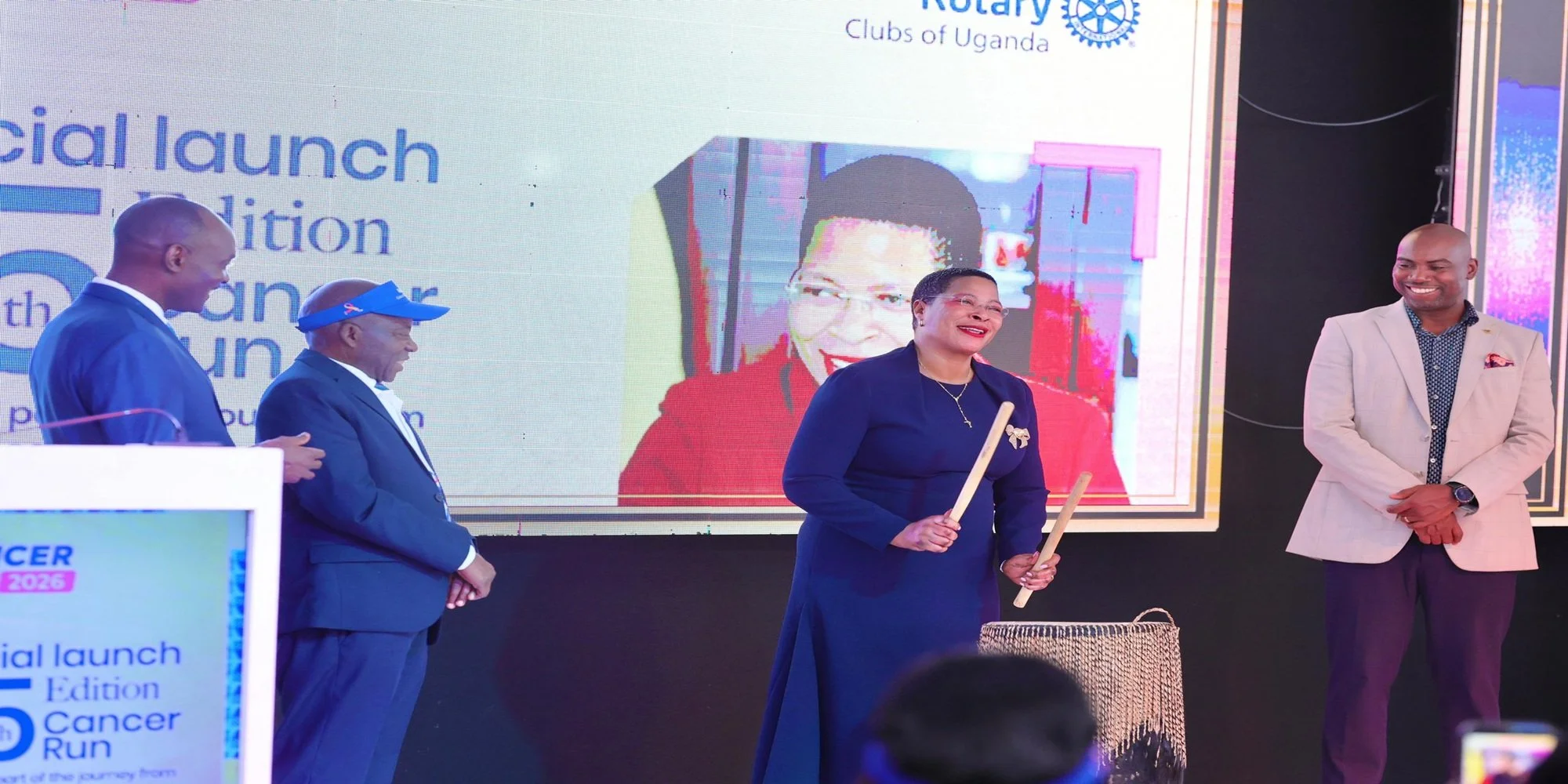
The 15th Rotary Cancer Run is mobilising individuals, families, institutions and corporate partners to give towards improved cancer treatment in Uganda. Scheduled for 30 August 2026, the run will raise support for completing the cancer treatment centre at St Francis Hospital Nsambya, including facilities for advanced radiotherapy equipment. Through registration, sponsorship and public participation, the initiative allows thousands of people to combine their contributions towards more affordable and accessible cancer care while standing in solidarity with patients and their families. Read more about the initiative on X.
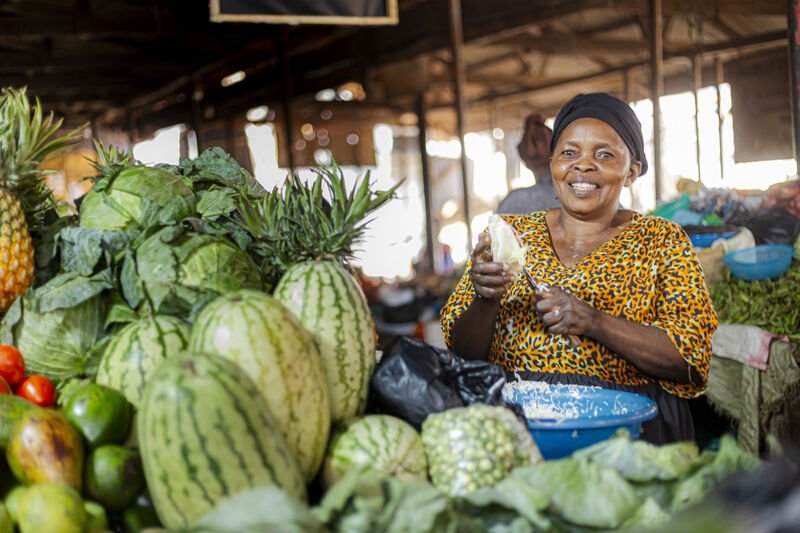
ASA Microfinance Uganda is exploring a partnership to support women farmers in Mitooma through the provision of coffee seedlings and practical financial-literacy training. Delivered through local SACCOs, the initiative would equip farmers with both the agricultural resources and financial-management knowledge needed to strengthen their enterprises and build more sustainable livelihoods. The proposed support demonstrates how giving can move beyond immediate assistance by investing in women’s skills, productivity and long-term economic independence. Read more about the initiative on X.
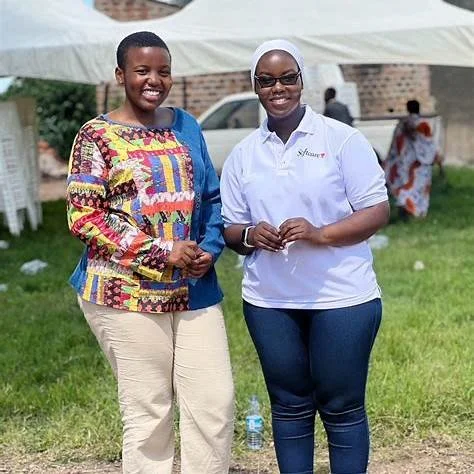
Faridah Nakazibwe partnered with Softcare Uganda to celebrate Mother’s Day by supporting mothers and young girls in Masaka and Sembabule. During the outreach, the team visited new mothers in the maternity ward at Masaka Regional Referral Hospital and distributed essential hygiene products, including diapers and sanitary pads. The initiative demonstrates how giving practical everyday necessities can ease the pressures faced by mothers, promote dignity and remind women that their contribution to families and communities is recognised and valued. Read more about the initiative on X.
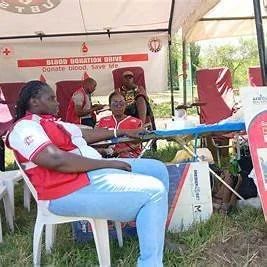
The excitement of the 2026 Pearl of Africa Uganda Rally was extended beyond motorsport through a blood-donation campaign at Mwesigwa Resort in Mbarara. Pamoja Uganda joined Women in Motorsport Uganda and the Uganda Blood Transfusion Services to mobilise rally participants and members of the public to donate blood and support patients who depend on timely transfusions. The initiative demonstrates how sporting events can use their visibility and community spirit to inspire practical acts of generosity and contribute to Uganda’s lifesaving blood supply. Read more about the initiative on X.
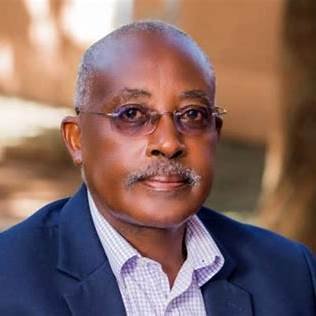
Cedric Mugume Kabeho’s life offers a powerful reflection on giving without seeking recognition. The retired principal accountant quietly paid school fees and medical bills, supported churches and schools, and helped individuals facing difficult circumstances, often without revealing his contribution or expecting gratitude. He also gave generously through his time, presence and commitment to the people around him. His legacy demonstrates that some of the most meaningful acts of giving happen away from public attention, transforming lives through consistent kindness, humility and service. Read the full story.
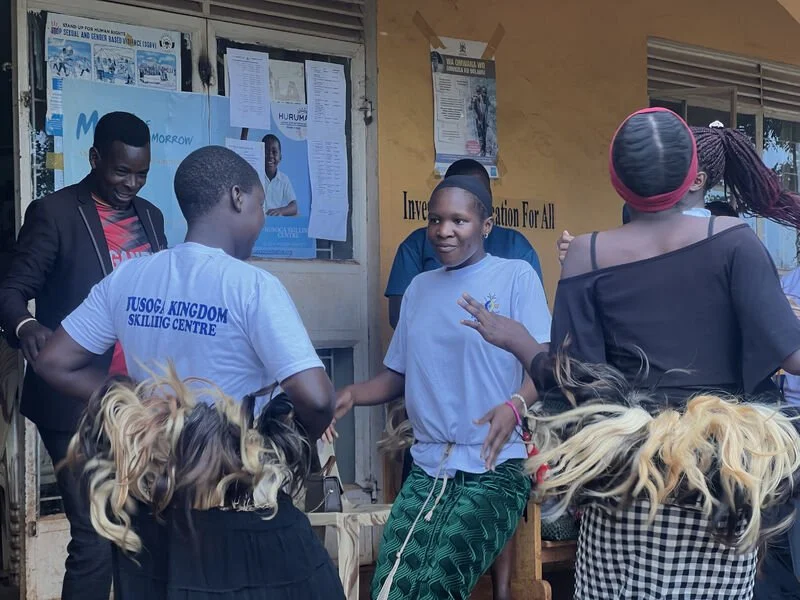
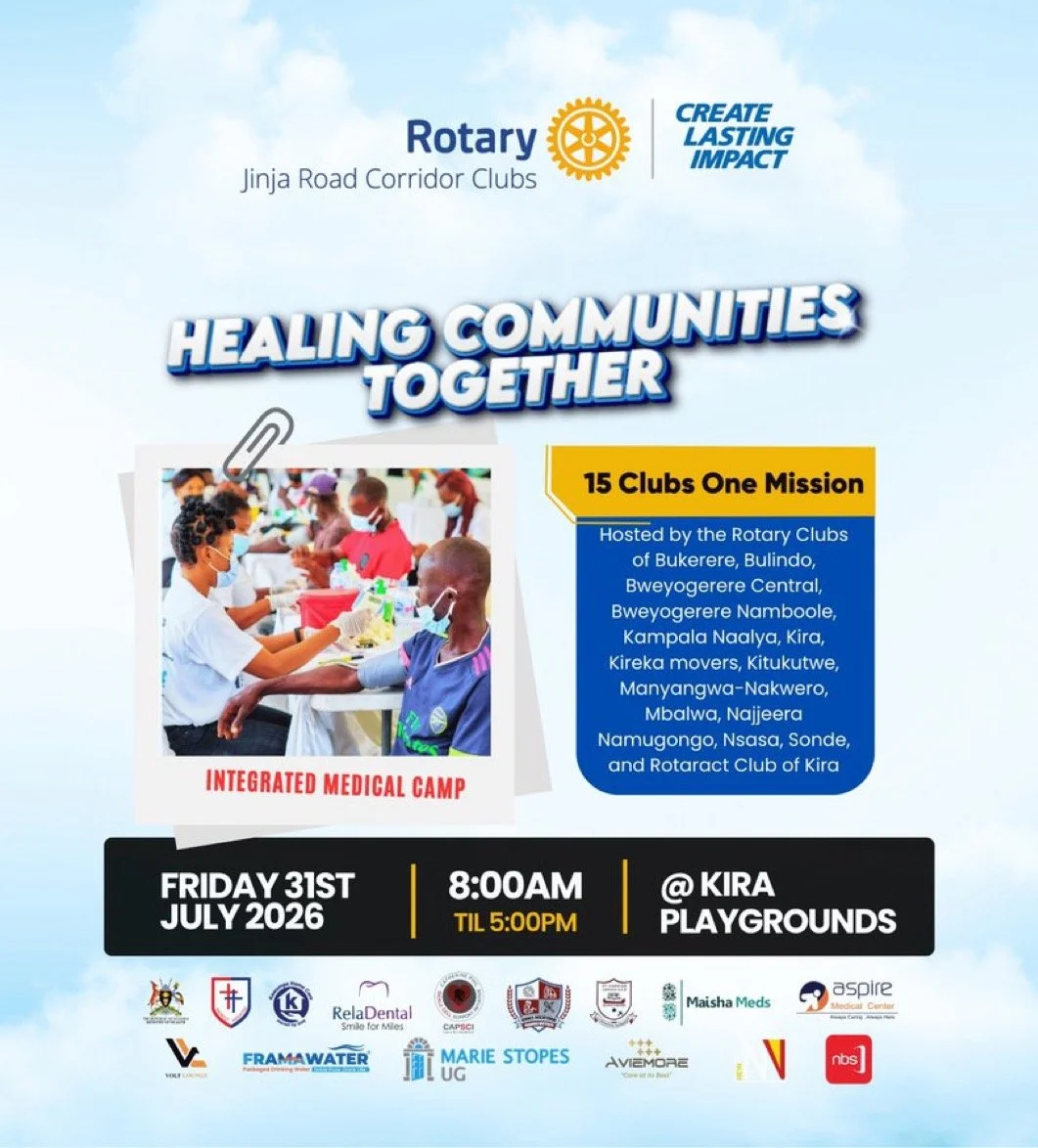
dfcu Bank marked its 62nd anniversary through dfcu Humanity Day, dedicating the occasion to community health, education and empowerment in Jinja. The programme included a visit to the Busoga Kingdom Skilling Centre, where vocational training and livelihood initiatives are supporting girls and young women, followed by a free community health camp in Walukuba organised with Rotary Uganda and the Busoga Kingdom. Residents received services including sickle-cell testing and support, cancer screening, antenatal care, eye and dental care, blood tests and other essential health services. The initiative demonstrates how corporate giving can celebrate an institutional milestone by investing directly in healthier communities and stronger futures. Read more about the initiative on X.

The Public Relations Association of Uganda marked its Golden Jubilee by mobilising professionals, students, corporate partners and well-wishers through the 2026 “Run for the PRAU Home.” The initiative aimed to raise UGX 800 million toward establishing a permanent home for Uganda’s public relations community, with NRG Radio contributing UGX 100 million to launch the fundraising effort. By directing registration fees, sponsorships and donations toward a shared professional space, the run demonstrated how collective giving can strengthen institutions, support professional growth and create a lasting legacy for future generations of communicators. Read more about the initiative on X.
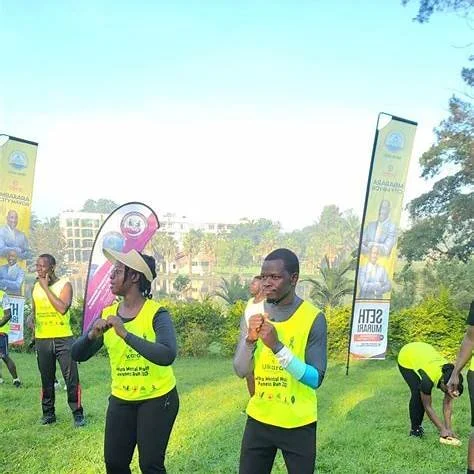
Mental health advocates in Mbarara City came together for the Mental Health Awareness Run 26, organised by Ukara Mental Health under the theme “Make Your Mental Health a Priority.” Through their participation, community members gave their time, energy and voices to challenge stigma, encourage open conversations about mental wellbeing and mobilise support for accessible mental health services. The initiative particularly seeks to expand youth-focused counselling, school outreach programmes and psychosocial support, demonstrating how collective action can help create communities where people feel safer seeking help. Read more about the initiative on X.
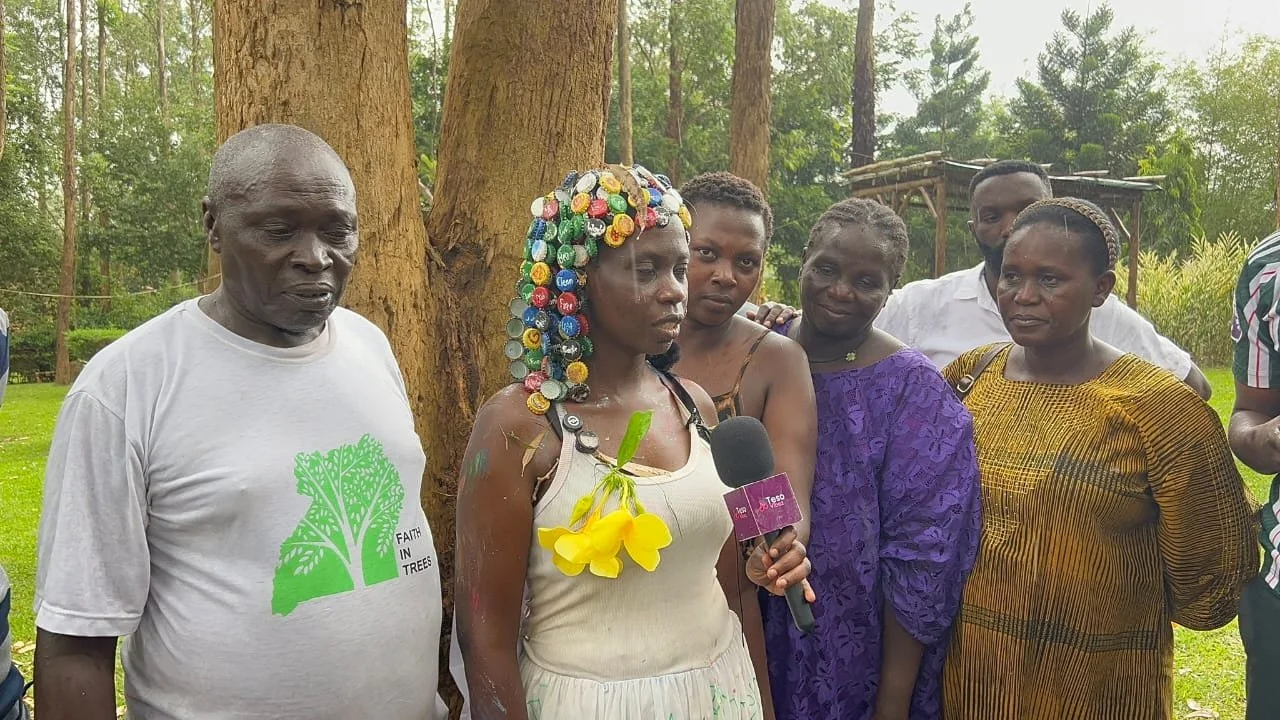
Environmental activist Patricia Faith Ariokot dedicated 100 continuous hours to walking around a single tree, using her time, voice and physical endurance to draw attention to environmental conservation, climate change and the growing threat of deforestation. Held at Tembuzi Cultural Fun Park in Sonde, Namugongo, the five-day challenge invited people to reflect on the essential role trees play in sustaining communities and protecting the planet. Her commitment demonstrates that giving can extend beyond financial contributions to include using one’s energy, platform and personal sacrifice to inspire action for a shared cause. Read more about the initiative on X.

Centenary Bank has strengthened youth empowerment and community development through a UGX 200 million sponsorship for the 22nd edition of the Masaza Cup. The contribution will support the organisation of the tournament while creating opportunities for young footballers to develop and showcase their talent. Beyond sport, the Masaza Cup brings communities across Buganda together, preserves cultural heritage and provides a platform for raising awareness about HIV prevention among young people. The initiative demonstrates how corporate giving can invest in programmes that nurture talent, strengthen community connections and create opportunities for young people to transform their lives. Read more about the sponsorship.
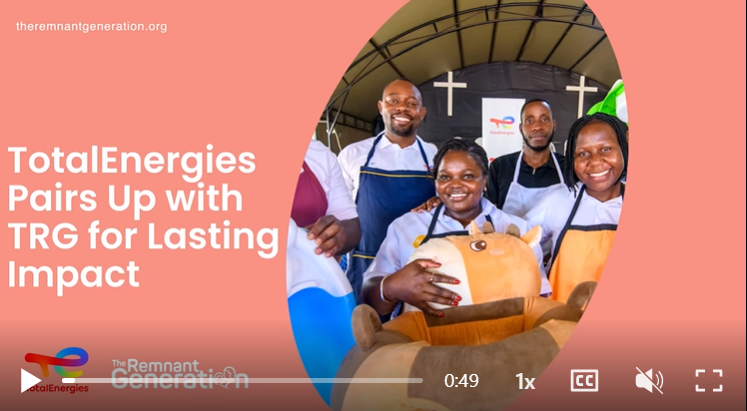
Through the TotalEnergies Action programme, employees supported The Remnant Generation by combining financial and material giving with hands-on service. The team helped clean the organisation’s facilities, set up an early childhood development space, donated food and essential supplies for its shelters, and planted 200 high-value fruit trees at Hope City Farm to support long-term food security and income generation. The visit also included an inspirational session for young mothers and survivors, demonstrating how workplace giving can use people’s time, skills and resources to restore hope and create sustainable opportunities for children and young women. Read more about the initiative on LinkedIn.
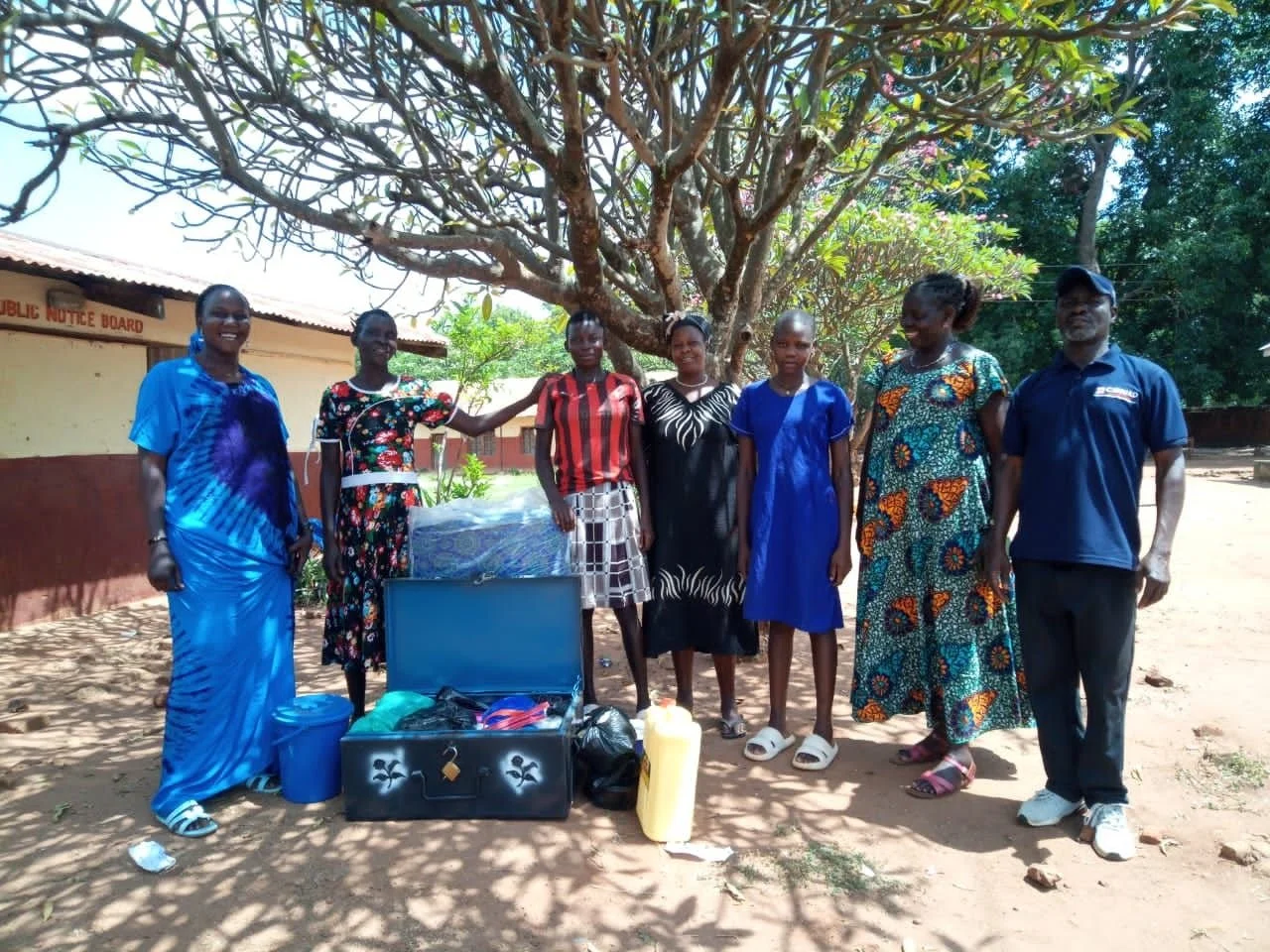
Collective giving has restored hope for Joyce, a 14-year-old girl from Abim District whose education was disrupted by forced marriage and financial hardship. Through contributions from individuals moved by her story, UGX 1,001,000 was raised to enrol her at Morulem Girls Primary School and provide the scholastic materials, personal supplies and boarding requirements she needed to return to class in a safer environment. The initiative demonstrates how people combining their resources can protect a vulnerable child, restore her right to education and give her another opportunity to pursue her dreams. Continued support will be needed to sustain Joyce’s education and protect other girls at risk of child marriage. Read more about Joyce’s return to school.
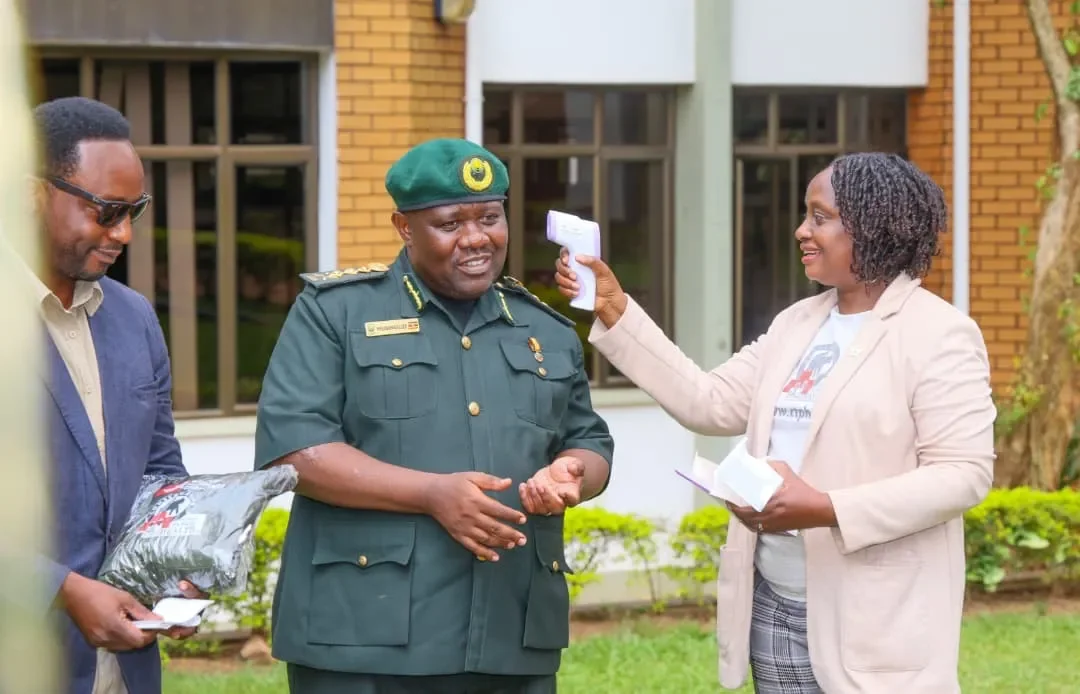
Conservation Through Public Health has strengthened Ebola preparedness and wildlife surveillance in the Bwindi Conservation Area through a donation of essential equipment to the Uganda Wildlife Authority. The contribution, which included infrared thermometers, smartphones, solar power banks and 450 sets of rain gear, will support health screening, ranger communication, field data collection and the monitoring of mountain gorillas and other wildlife. This thoughtful act of giving demonstrates how partnerships can simultaneously protect frontline conservation workers, safeguard visitors and strengthen the health of communities and wildlife. Read more about the donation.