CivSource South Africa About Us
CivSource South Africa (NPC)
CivSource South Africa is a newly established entity operating at the intersection of philanthropy and civil society, fostering mutually beneficial relationships and stewardship of entrusted resources. We are dedicated to building a sustainable, effective, and connected civil society that amplifies the dignity and voices of all people. This is achieved by encouraging philanthropic practices that are reflective, responsive, and accountable.
Collaborative Partnerships
We facilitate open, informed conversations about philanthropy and civil society organizations through partnerships with:
Additionally, we collaborate with regional stakeholders, such as:
Through these collaborations, CivSource South Africa strengthens philanthropic collaboration and promotes good practices.
Core Areas of Focus
Advancing Fiscal Hosting
As a dynamic catalytic hub, we provide a suite of services for fiscal hosting entities and re-granting intermediaries across Africa. Key program components include:
Research and Knowledge Building
Live Online Directory
Learning and Networking Space
Regional and Individual Conversations
Sustainable Funding Model Support
Strengthening Leadership
We support leaders to promote wellness for themselves, their organizations, and their movements using a trauma-informed approach relevant to the Southern African context. Our initiatives include:
Wellness and System Strengthening
Documenting African Indigenous Wellness Practices
In-House Wellness Retreats
Intergenerational Conversations (podcasts, interviews)
Mentoring and Coaching
Decoding, Contextualizing, and Nurturing Philanthropy
We empower the next generation of givers with the skills and tools to become socially conscious contributors. Key focus areas include:
Teaching and Training
Practice in Philanthropy
Documenting Young People’s Giving
CivSource South Africa remains committed to shaping a future where philanthropy and civil society thrive in unison. Together, we aim to inspire giving, cultivate leadership, and advance impactful collaboration.
Fiscal hosting is often treated as administrative support, yet in practice it is much more than that. It is a critical bridge that helps grassroots initiatives access funding, manage compliance, strengthen governance, and grow their impact in contexts where formal registration and institutional systems may still be developing. This spotlight on Border Rural Committee in South Africa’s Eastern Cape shows what ethical and effective hosting can look like when stewardship, community accountability, and long-term capacity strengthening come together. From supporting food production and small-scale farming to coordinating gender-based violence prevention networks, fiscal hosting helps ensure that resources reach communities in structured, responsible, and sustainable ways. At its best, hosting does not centralize power. It helps build the conditions for grassroots leadership, institutional independence, and deeper community-rooted impact.
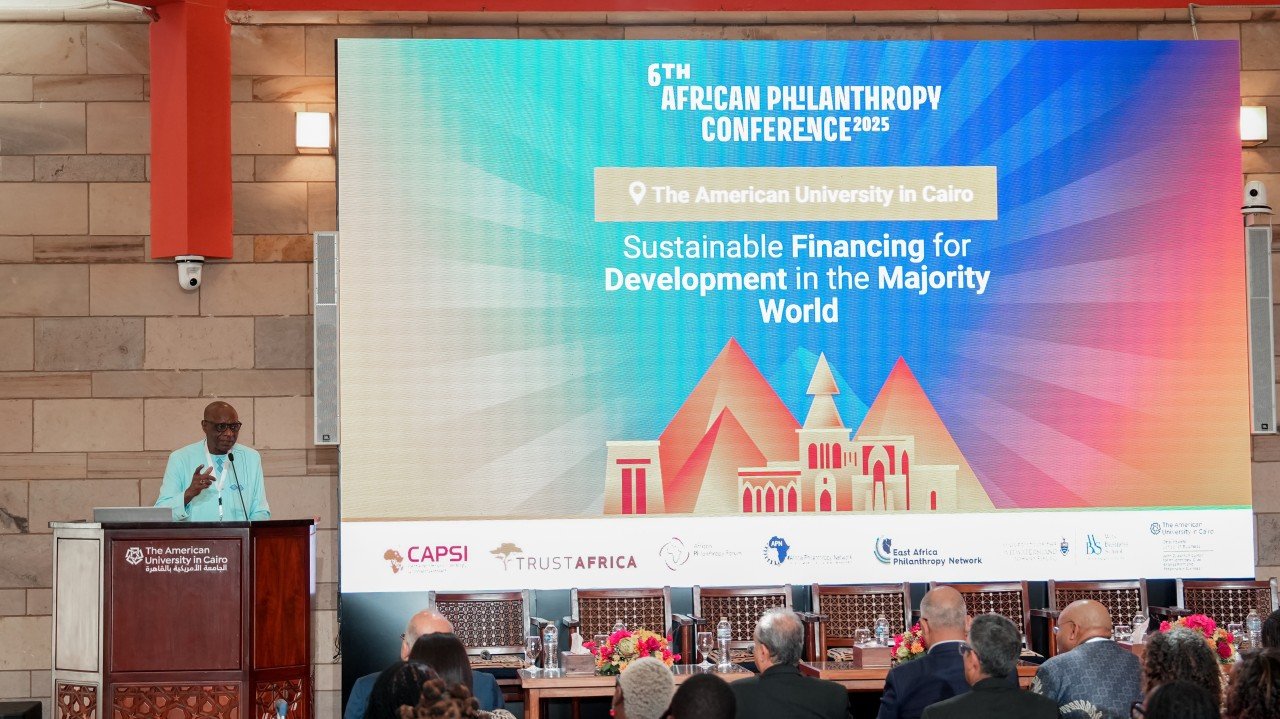
At the 6th African Philanthropy Conference in August 2025 at The American University in Cairo, CivSource South Africa shared research on fiscal hosting as a practical route to sustainable financing for civil society across Sub Saharan Africa. Presented by Prince Mudau, the paper explains how fiscal hosting allows emerging initiatives to operate under a registered nonprofit that provides governance, compliance, fund management, and reporting, strengthening accountability while protecting community leadership in complex regulatory and donor environments. Drawing on insights from more than 130 entities, the reflection highlights where fiscal hosting is most established, the range of services hosts provide beyond fund management, and the opportunity to grow this model in areas such as youth empowerment and climate justice, reinforcing a wider conference message that sustainable financing must be locally led and built for long-term systems change.
In 2023, CivSource South Africa explored the critical role of fiscal hosting in empowering grassroots organizations across Africa. The study highlights how fiscal hosts bridge gaps in funding, compliance, and governance, fostering impactful, locally driven philanthropy.
Dive into the findings shaping Africa’s civil society landscape.
CivSource South Africa’s directory and support program revolutionizes fiscal hosting by enhancing visibility, fostering collaboration, and strengthening operational capacity for organizations across Africa. This initiative bridges gaps in the philanthropic landscape, empowering grassroots efforts with vital resources.
Discover how this program is transforming African philanthropy.
In 2023, CivSource South Africa conducted a groundbreaking study on fiscal hosting, uncovering its pivotal role in empowering grassroots organizations across sub-Saharan Africa. The findings spotlight fiscal hosting as a lifeline for civil society groups navigating complex regulatory landscapes.
Uncover the insights shaping the future of African-led philanthropy.
On November 6, 2024, CivSource South Africa unveiled an innovative Online Directory of African Fiscal Hosts at the African Philanthropy Conference. Designed to boost visibility, foster collaboration, and strengthen fiscal hosting across the continent, this launch is set to redefine African philanthropy.
Explore how this directory is transforming the future of grassroots philanthropy.
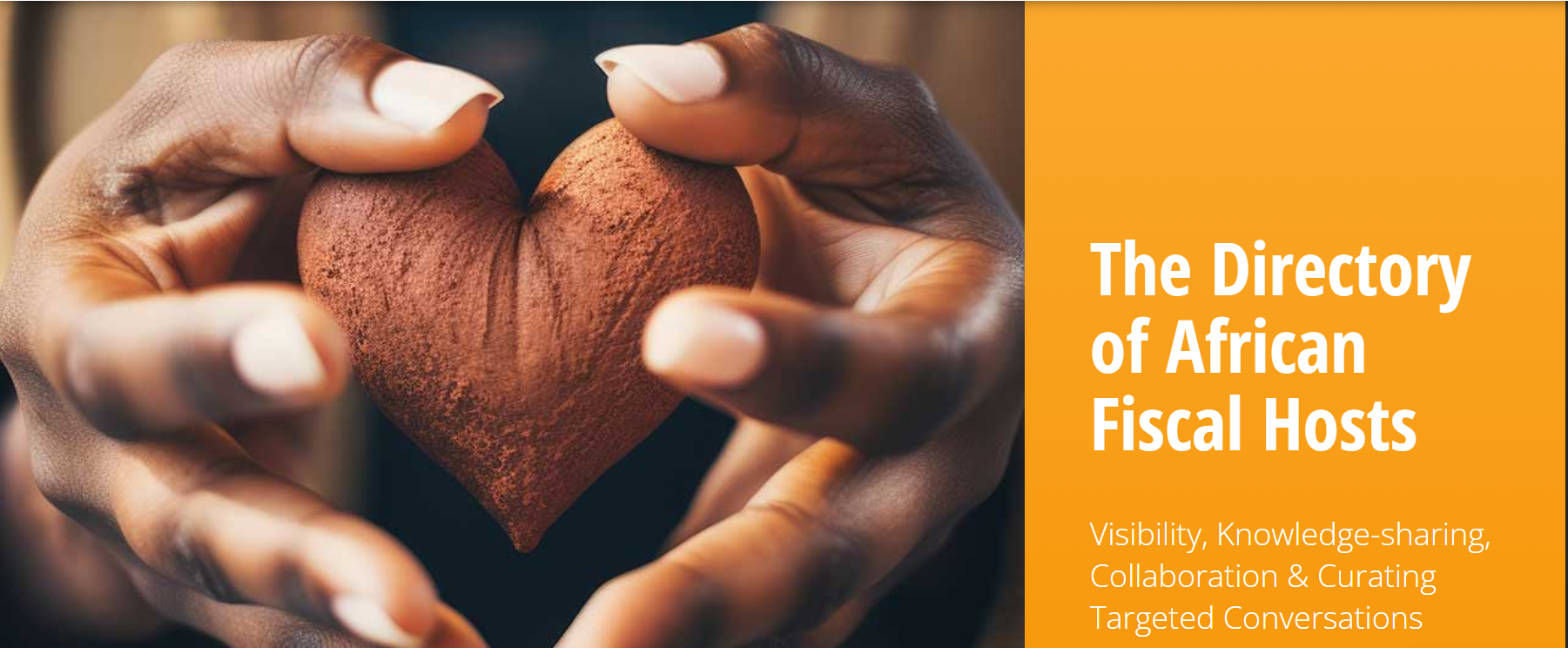
Africa’s premier online Fiscal Hosting Directory
CivSource South Africa’s directory of African fiscal hosts is a pioneering intervention aimed at elevating the role of fiscal hosting across the continent. Designed to strengthen the sector’s impact, the directory seeks to increase visibility for African fiscal hosts, providing a centralized resource that highlights their services to both local and international audiences. By showcasing these organizations, the directory encourages transparency, fosters wider recognition, and demonstrates the critical role fiscal hosts play in supporting grassroots and community-based initiatives across Africa.
This directory also serves as a platform for knowledge generation, offering valuable insights into trends, developments, and the operational characteristics of fiscal hosts throughout Africa. CivSource South Africa’s efforts in documenting this information provide essential resources for funders, policymakers, and civil society organizations, helping them navigate the often-complex fiscal hosting landscape. The directory facilitates connections among fiscal hosts, encourages partnership-building, and broadens understanding of the fiscal hosting model as a sustainable and effective approach to supporting African-led philanthropy.
Beyond visibility and knowledge-sharing, CivSource South Africa’s directory program builds capacity within the sector by offering comprehensive support services to fiscal hosts and philanthropy support organizations (PSOs) across the continent. These services including access to research, an online learning community, and guidance on sustainable funding models help these organizations strengthen their operational capacities and adapt to shifting funding landscapes. By laying the groundwork for a connected, resourceful, and resilient philanthropic ecosystem in Africa, CivSource South Africa empowers fiscal hosts to support sustainable community development and amplifies local resources to drive transformative change.
Philanthropy in South Africa

South Africa’s democracy was founded on a powerful vision of dignity, equality, and shared belonging, yet that promise is under growing strain as human rights protections weaken in practice through service delivery failures, institutional fatigue, corruption, inequality, and declining public trust. The danger is not always dramatic. It often appears through slow erosion, when rights to water, education, healthcare, safety, and participation exist in law but remain uncertain in daily life. Even so, the country still holds important democratic strengths in its Constitution, judiciary, civil society, investigative journalism, and social movements. This creates an urgent question for philanthropy: how can it help strengthen democracy in meaningful ways? From supporting civic education and constitutional literacy to funding accountability work, independent watchdogs, dialogue platforms, and participatory grantmaking, philanthropy has an important role in helping ensure that human rights remain lived realities rather than distant promises.
Read more to explore what is at stake for South Africa’s democratic future.
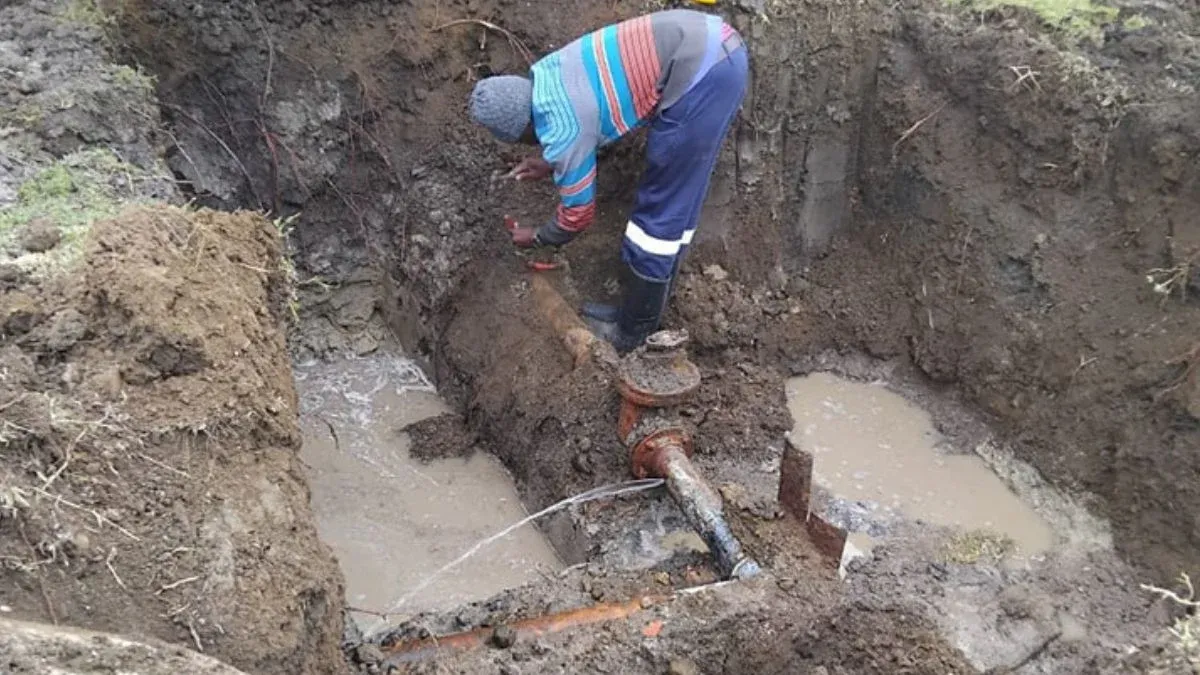
Johannesburg and Pretoria’s water disruptions have tipped from persistent strain into a systemic urban crisis. In this article, Oratile Mokase unpacks how ageing infrastructure, financial instability, and governance gaps are combining to produce prolonged outages, public anger, and widening inequality. The piece also points to a strategic role for philanthropy, moving beyond emergency relief toward accountability, community power, and practical innovation that supports long term water justice.
Cape Town is celebrated worldwide, yet the city’s housing crisis tells another story—one written through colonial land control, apartheid planning, and present-day market pressures. From Fort to Flat maps how fortified power became an urban blueprint that still shapes who gets to live near opportunity and who is pushed to the margins. The piece looks beyond housing numbers to the politics of location, the pressure of short-term rentals and investment trends, and the work of civil society movements fighting for spatial justice. It closes by naming philanthropy’s catalytic role: backing evidence, resourcing community voice, convening cross-sector pilots, and sustaining policy reform.
As a new academic year begins, many South African students meet entry requirements yet still cannot register, secure housing, or stay enrolled due to fees, debt, funding gaps, and uneven support systems rooted in historic inequality. This reflection argues that philanthropy can help shift the story when it listens to youth, backs holistic support that covers real student costs, strengthens historically marginalised institutions, and builds stronger school to university pathways, while working alongside government and civil society to pursue long-term systems change.
In February 2025, CivSource South Africa joined an IPASA convening on philanthropy’s response to the sudden withdrawal of US funding from South Africa’s health sector, including severe cuts to HIV and AIDS initiatives. Chaired by Louise Driver, the discussion surfaced an urgent need for resilience and diversified, locally anchored financing, with insights from Kone Gugushe of FirstRand Foundation and David Harrison on the scale of the funding gap and the importance of coordinated action with government and civil society. The reflection points to this moment as a catalyst for strengthening local philanthropic infrastructure, accelerating collaboration, and shifting from dependency toward long-term local ownership.
In late August 2025, CivSource South Africa joined the Ringo Connect discussions to explore how international civil society can work alongside locally led actors, with a focus on how diaspora communities can power collective action across the Global South. While remittances remain a major lifeline for households, the conversation surfaced why these flows often stay individual rather than becoming pooled investments that strengthen institutions, including high transfer costs, uneven access to reliable digital channels, and the trust and governance conditions needed for shared vehicles such as diaspora bonds and diaspora philanthropy. The key insight was clear: diaspora collaboration depends on more than money, it depends on trust, solidarity, and practical infrastructure that can translate individual support into sustained collective impact.
In Johannesburg, at The Forum in Hyde Park, the Ford Foundation convened an evening on “Democracy in the Balance: Constitutionalism in a Shifting Global Order,” bringing together jurists, activists, philanthropic leaders, and community voices to reflect on democracy’s fragility and what it will take to sustain it. The gathering also marked a farewell moment for Ford Foundation President Darren Walker, who steps down at the end of 2025, with reflections framed by Yasmin Sooka and a panel moderated by Sasha Stevenson featuring Justice Dikgang Moseneke, Darren Walker, Charlene May, and youth activist Noncedo Madubedube, who each underscored the urgency of justice, economic dignity, and real opportunity as essential to democracy’s promise. CivSource South Africa team members were present for the dialogue and the connections it sparked across the sector.
This reflection argues that philanthropy is not only measured in grant sizes and reach, but in the stories that carry lived reality, community wisdom, and the truth behind the numbers. Drawing on Darren Walker’s From Generosity to Justice, it makes the case that generosity without listening can become temporary relief, while justice demands transformation shaped by the voices of people most affected. CivSource South Africa positions local narratives as instruments of justice that bridge the gap between global agendas and grassroots realities, reminding us that impact begins with who is heard, who is seen, and who gets to shape the solution.
This reflection explores how philanthropy is being reshaped by the age of influence, where visibility is currency and social good is increasingly measured through impressions, likes, and shareability. While digital platforms have helped amplify voices, mobilise support, and allow civil society to tell its own stories, the piece warns of a growing pressure to perform purpose, where impact can start to look better than it feels. CivSource South Africa invites readers to take the mirror test, asking hard questions about integrity, accountability, and whether visibility is deepening purpose or replacing it, reminding us that transformation cannot be posted, it must be lived.
In November 2025, a nationwide social media shutdown led by Women For Change saw people across South Africa turn their profiles purple in solidarity against Gender Based Violence, showing the influence of community action, especially youth-led mobilisation, in shaping public narratives and demanding accountability. CivSource South Africa believes philanthropy is most effective when it listens, amplifies local voices, and supports community agency, an approach explored through Ubuntu Uplift Season 2, including Episode 1 with Jean Veitch of the Ingelosi Foundation on youth-centred, locally informed support. Read more to explore what community-led change looks like in practice.
Read more about how CivSource South Africa is amplifying youth-led action through Ubuntu Uplift.
Under the skies of Constitution Hill, Justice Albie Sachs and Darren Walker were honoured for their courageous, visionary contributions to justice and equity. Surrounded by artists, activists, and community leaders, this celebration reminded us that love, creativity, and solidarity bend the arc of history. Their legacies show that justice is a living practice, carried forward by everyday courage.
Remember to carry the torch wherever you are.
#LegaciesOfChange #Courage #UbuntuLeadership
In Monte Bertha, the Angel Warriors, supported by the WePower Program, are proving that community-driven youth philanthropy can change lives. Through projects like the Hot Water Project, they are delivering dignity one faucet at a time, even as they innovate with creative fundraisers and partnerships. These young changemakers are rewriting what local giving can achieve.
Be inspired to light a spark in your own community.
#YouthLeadership #CommunityPower #WePower #LocalPhilanthropy
Image: Ms. Louise Driver, Executive Director of IPASA, the Independent Philanthropy Association of South Africa.
Facing a sudden cut of over R6.5 billion in US health funding, South African philanthropy rallied in an emergency IPASA dialogue to strategize, adapt, and build resilience. Leaders warned of service disruptions, especially in HIV programs, and urged sustainable local funding and deeper coordination with government. This crisis is both a challenge and a turning point to strengthen South Africa’s funding ecosystem.
Together, we can build a more self-reliant future.
#Philanthropy #LocalSolutions
As the G20 Summit approaches, IPASA’s Social Justice Donor Group gathered to align priorities and amplify social justice in South Africa. From centering youth and women’s voices to integrating climate and economic justice, participants emphasized collaboration, shared language, and mapping support ecosystems to respond to shrinking civic space and fragile institutions. The conversation pointed to a future rooted in solidarity and sustainability.
Stand with those pushing for equity and dignity in every corner of society.
#SocialJustice #Equity #G20 #PowerOfPartnership
At Wits Business School, a powerful gathering led by Binaifer Nowrojee, H.E. Graça Machel, Dr. Naledi Pandor, and Nicolette Naylor challenged African philanthropy to move from charity to justice, centering Ubuntu, community-led solutions, and local ownership. With Africa’s population booming, speakers called for bold, democratic, and accountable approaches to development that break from dependency and reclaim African agency.
It’s time to rewrite the script and build our future together.
#ShiftThePower #Ubuntu #AfricanPhilanthropy
At a landmark IPASA workshop, education experts and policymakers explored how Mother Tongue-based Bilingual Education (MTbBE) can transform literacy in South Africa by grounding learning in local languages and cultural belonging. Moving away from Eurocentric teaching models, this approach recognizes the power of African languages to drive confidence, comprehension, and educational equity. With pilots already underway and a phased national rollout planned, MTbBE stands as a beacon for 21st-century, African-led education reform.
Let’s champion the voices and languages that make our classrooms thrive!
#InclusiveEducation #MotherTongueMatters #LiteracyForAll #EducationTransformation
In our inaugural year, CivSource South Africa set out to chart new ground at the intersection of philanthropy and civil society. As the first continental expansion of CivSource Africa’s broader vision, South Africa became our launchpad for building a sustainable, effective, and interconnected civil society landscape—one that boldly advances the dignity and voices of all people. With the invaluable support of our parent organization and strategic partners, we began laying the foundations of a strong South African presence. What follows in this report is a reflection of our early strides, growing alliances, and the seeds of impact we are proud to have sown in our first year.
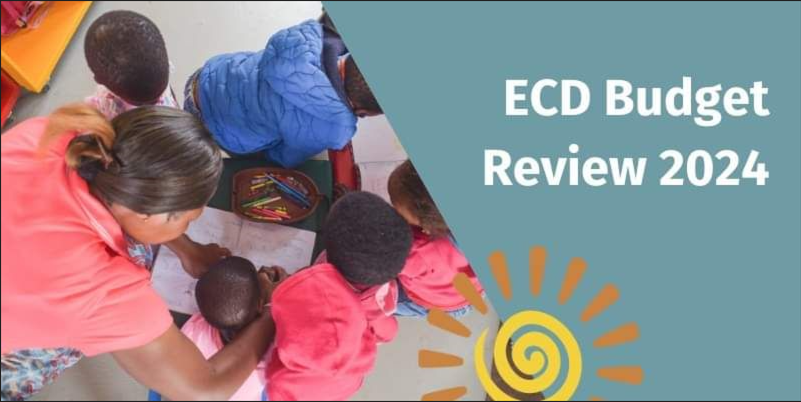
Dive into the details with the latest ECD Budget Review! Explore how the 2024 Budget shapes up for early childhood initiatives, from funding for vital ECD programs to ensuring early nutrition and the Child Support Grant.
Get your copy now and stay ahead of the curve: CLICK HERE
At the Climate Ambition to Accountability Project (CAAP) hosted by the South Africa Climate Action Network, Moliehi Mafantiri, Environmental Scientist, shared her insights. She highlighted avenues for civil society to engage with climate policy, emphasizing the importance of stakeholder engagement and South Africa’s policymaking processes. Additionally, she underscored the value of alliance building for effective climate action.
Get ready to be part of history at the inaugural Flow Forward Annual Lecture for #MenstrualHealthDay!
Attendance is not only FREE but open to ALL, with a special invitation extended to men and boys. Don't pass up this chance to join a transformative movement that's breaking barriers and sparking change. Secure your spot now and save the date for May 28th!
CLICK HERE to register and be part of something truly impactful.
Let's celebrate this month by fostering inclusivity and understanding, recognizing the unique strengths individuals on the spectrum bring to our world.
Thabang Tseboho shares his story. Read more
The Centre for Human Rights, University of Pretoria for Human Rights with the support from the Embassy of Switzerland, will host a civil society workshop on early warning and urgent response to xenophobic violence in South Africa.
Event Details:
📅 Monday 29 April 2024 📍137 Murray Guest House, Brooklyn ⏰ 9:00 - 15:00 (SAST)
Jacob Deng Bol Deng, a Mastercard Foundation Scholar at EARTH, embodies resilience and determination. Born in war-torn South Sudan, Jacob overcame adversity to pursue education and create change. His platform, Education Needs All (ENA), provides scholarship information to vulnerable youth across Africa. Now in his third year at EARTH, Jacob's mission is to empower others and break the cycle of poverty through education.
Course Overview: Designed to equip participants with a comprehensive grasp of the judicial enforcement of socio-economic rights in Africa, this course delves into both its potential and challenges. Over the intensive one-week duration, practitioners, policymakers, scholars, and students receive specialized training on both national and international litigation concerning socio-economic rights.
Despite advancements, TB persists in South Africa, with 288,000 cases and 54,200 deaths in 2022. Challenges include treatment access, stigma, and patient adherence. Collaboration, education, and community support are vital in overcoming these obstacles.