Copy of Where Philanthropy meets civil society
Business + Intellectual Property Attorneys
Our Identity
CivSource–Africa is an independent non-profit advisory organization that seeks to refine the practice and footprint of philanthropy in Africa, for authentic civic engagement. We are pioneers in the space where philanthropy and civil society meet and seek to foster an environment that nurtures mutually beneficial relationships and stewardship of entrusted resources. We provide thought leadership on strategic financing models for effective philanthropy and civic engagement. We also facilitate open and informed conversations pertaining to philanthropic giving and civil society organizations.
Civ
Is short for civil society. Funding civil society strengthens their human rights work as critical partners in advancing good governance and development. Civ also ensures that our focus and that of funders remains the people and not the money.
Source
We are a source of information and advice to funders on a spectrum of issues such as human rights, socio-political context, and other areas. To civil society we are a source of support to advance their potential.
Africa
Is the way we define the geographical, cultural and ideological space within which we operate, and it also speaks to our roots and grounding in our continent.
Our work

What can climbing a mountain teach us about navigating life's most difficult terrain?
In Episode 25 of the Meet Your Author podcast, CivSource Africa CEO Jacqueline Asiimwe Mwesige joins host Racheal Kizza, a GROW Leadership Programme Cohort 2 alumna, to reflect on her memoir, Facing Mountains. Their conversation explores resilience, the influence of family, the lessons of mountain climbing and how personal experiences can inform purposeful leadership.
An engaging encounter between two members of the wider GROW community, the episode invites listeners to consider the mountains that shape us and the wisdom we carry forward.
Listen to the conversation:
Originally released September 13, 2026.
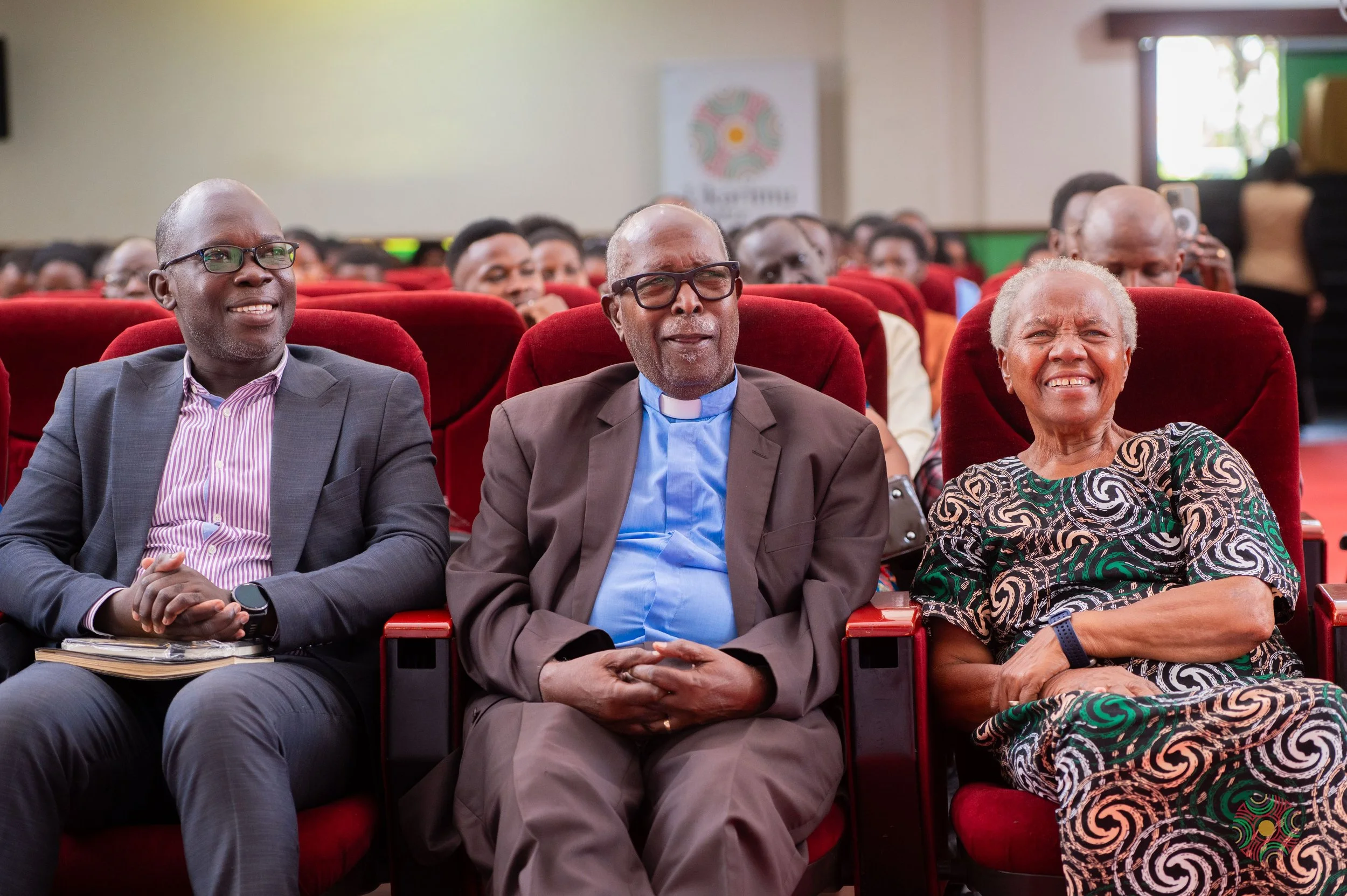
What does it take for Africa to reclaim its own narrative of generosity? On 8 October 2026, Makerere University, in partnership with CivSource Africa, launched the Ukarimu Centre for Advancing African Philanthropy, creating a multidisciplinary platform dedicated to researching, documenting and strengthening African traditions of giving.
In this article, Makerere University's College of Humanities and Social Sciences explores the Centre's vision, the voices that shaped its launch, and its ambition to connect African knowledge, research, policy and practice while positioning the continent as a producer of philanthropic knowledge.
Mission
Refining the practice and footprint of philanthropy for effective civic engagement in Africa
News
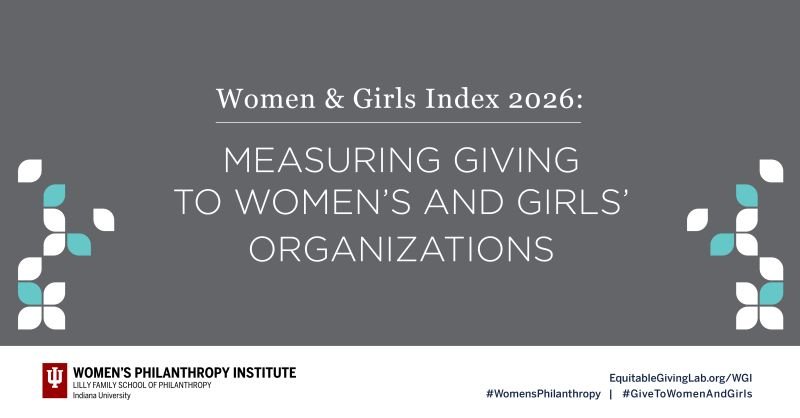
Giving to organisations supporting women and girls in the United States reached a record $12.1 billion in 2024, according to the 2026 Women & Girls Index. Yet this represented just 2.07% of all charitable giving. The findings highlight both the growth in philanthropic support and the need for more sustained investment in women and girls.
Read More: Women's Philanthropy Institute, 2026 Women & Girls Index
#OmutimaOmugabi
As international aid budgets shrink, the crisis facing civil society extends beyond funding. Sofía Sprechmann Sineiro argues that civil society organisations are essential public institutions that protect rights, strengthen participation, support marginalised communities and hold power to account. Their sustainability therefore depends not only on financial adaptation, but also on protecting civic space, building long-term relationships and recognising civil society as part of the infrastructure that allows democracy to survive. Read the full article.
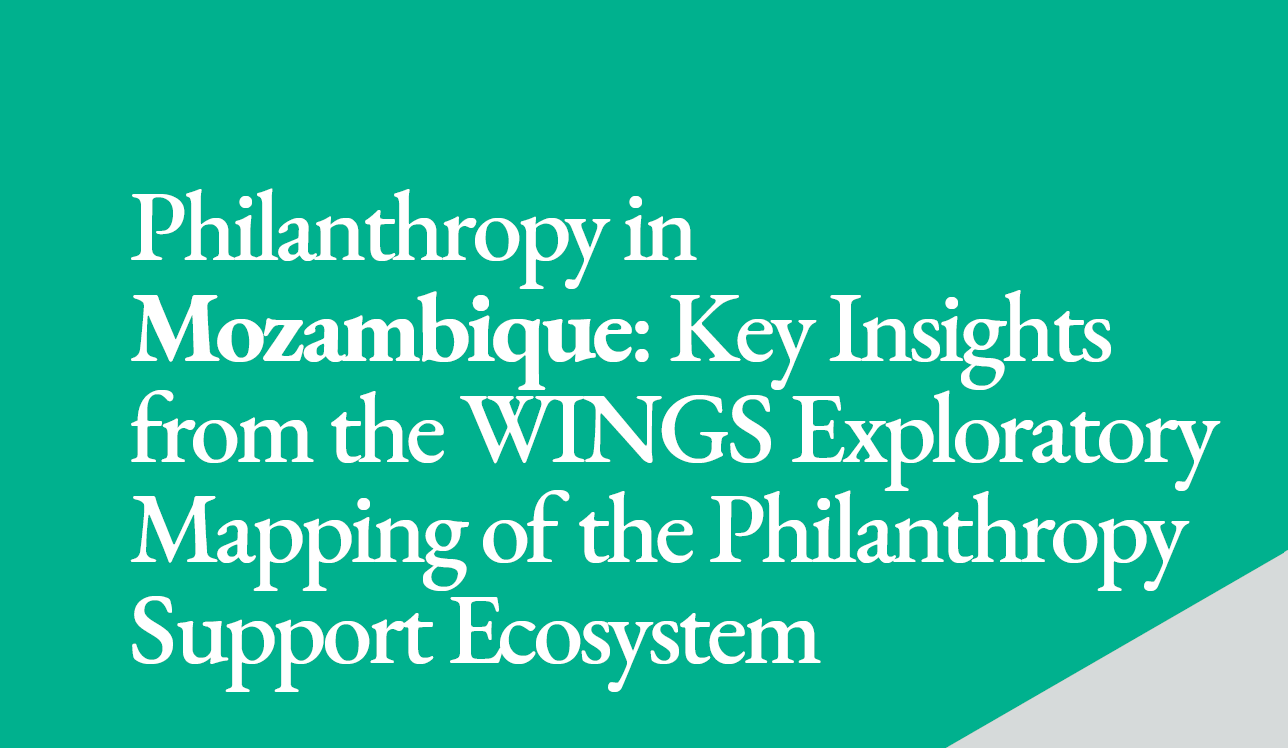
Philanthropy in Mozambique is already alive in everyday community practice. Across the country, people give, organise, save, lend, and support one another through faith groups, community networks, social funds, and practices such as xitique, a community-based savings and lending system.
A new report, “Exploratory Mapping of the Philanthropy Support Ecosystem in Mozambique,” looks at these existing forms of giving and asks what it would take to make them more visible, connected, credible, and locally led. The report highlights the support structures, relationships, and investments needed to strengthen Mozambique’s philanthropy ecosystem over time.
The Gates Foundation and OpenAI have launched Horizon 1000, a USD 50 million initiative to support AI-enabled primary healthcare in African countries, beginning in Rwanda. The initiative aims to reach 1,000 primary healthcare clinics and surrounding communities by 2028, supporting health workers with tools that can improve access, care quality, and service delivery.
The Trevor Noah Foundation, together with Microsoft Elevate, has expanded the Khulani Nathi Innovation Fund to support additional education innovators in South Africa. The fund backs nonprofit organisations working on educator support, digital skills, youth pathways, AI readiness, and community-rooted education solutions. This is philanthropy meeting the classroom with tools, trust, and practical support.
The Rockefeller Foundation and the Global Energy Alliance for People and Planet have expanded their support for Mission 300, a major initiative focused on connecting 300 million people in Africa to electricity by 2030. With commitments now exceeding USD 100 million, the effort places energy access at the centre of development, livelihoods, education, health, and community resilience.
The Tony Elumelu Foundation has announced its 2026 cohort of 3,200 African entrepreneurs, with USD 16 million set to support enterprise growth across the continent. The cohort includes entrepreneurs from all 54 African countries, with women making up 51 percent of the selected participants. It is a strong reminder that African philanthropy is also investing in jobs, enterprise, and local solutions.
A new report argues that India’s biggest force in philanthropy is not billionaire pledges or corporate budgets, it is households. Drawing on more than 7,000 interviews across 20 states, the How India Gives 2025 report estimates household giving at about 540 billion rupees a year, spanning cash, in-kind support, and volunteering. Much of this generosity is local, faith-shaped, and driven by everyday obligation rather than formal fundraising systems.
ARE YOU A GIRL LED OR YOUNG FEMINIST LED GROUP IN UGANDA, KENYA, OR TANZANIA?
The East African Girls and Young Feminist Fund 2026–2027 Call for Applications is open to support community responsive ideas toward feminist futures and grassroots movement building. Grants are unrestricted, and may be multi year depending on funding availability.
For more information CLICK HERE:
DEADLINE: Apply by 28 February 2026, 11:59 PM East African Time.
HOW TO APPLY
Visit https://CIVFUND.smartsimple.com, select “The East African Girls and Young Feminist Fund 2026–2027 Call”, and follow the prompts.
Alternative: download the form and email it to info@civsourcea.com. Submit only one application.
Download form HERE:
Applications are now open for projects to be implemented in the 2026–2027 cycle. Apply from 23 Jan–28 Feb 2026 (deadline: 28 Feb 2026). Grants are available up to UGX 20,000,000 for partners in Uganda, and under USD 5,000 for partners outside Uganda. No application fee. Apply online via the CIVFUND SmartSimple portal and submit 3–10 images or short video clips as part of your portfolio.
CivSource Africa is commissioning a comprehensive national mapping of alternative funding models used by Civil Society Organisations (CSOs) in Uganda under the Autonomous Resourcing of Civil Society Community of Practice (ARC-CoP). The study will identify and classify existing resourcing models, analyse how they work and who is using them, assess sustainability and risks, and document 8–12 case studies of promising approaches. Findings will inform model selection for testing under ARC-CoP, stakeholder engagement, partner selection criteria, and practical recommendations for strengthening CSO financial autonomy.
The assignment will use mixed methods (desk review, surveys, interviews, focus groups, financial analysis, and a validation workshop) and will run for 10–12 weeks. Interested consultants/teams should submit technical and financial proposals to info@civsourcea.com by January 26, 2026.