Serving Well: Reflections From Our Visit To African Haven
As CivSource Africa marks nine years, CivSource South Africa’s visit to African Haven’s Baby Haven offered lessons on care, community and thoughtful growth. The reflection reminds us of the value of listening, serving well and keeping people at the centre.
Read More:
#CivSource South Africa #TheQuestionWeAreSittingWith
Read More
The Geography Of Opportunity: Does Where A Young Person Lives Determine What They Can Become?
Opportunity is shaped by place. This reflection explores how unequal access to technology, libraries, transport, arts, mentors, universities and safe public spaces can influence young people’s futures and what this means for philanthropic investment.
Read More:
#CivSource South Africa #TheQuestionWeAreSittingWith
Read More
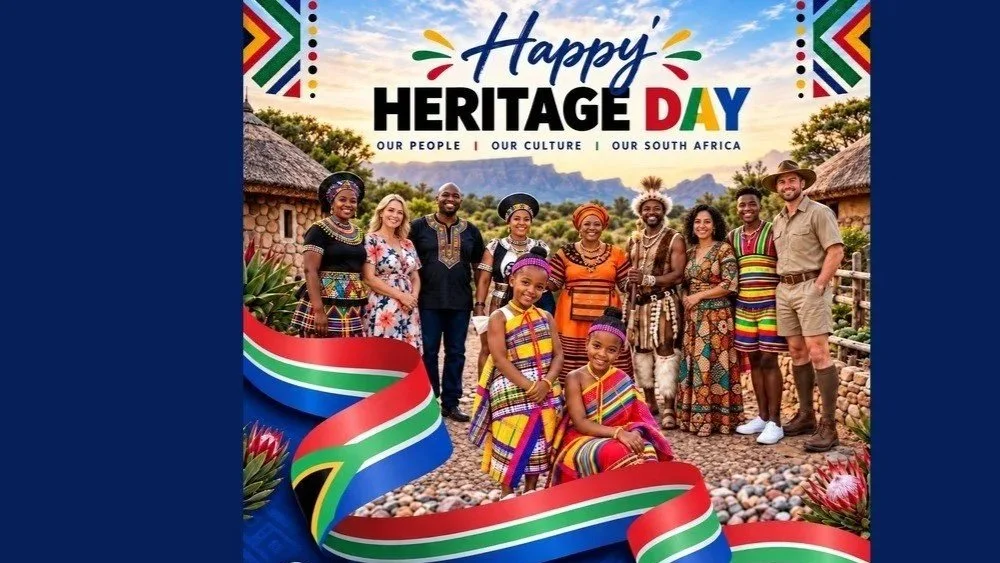
Different Cultures. Shared Spirit. A Culture Of Giving.
This Heritage Day reflection considers giving as part of South Africa’s shared heritage. From Ubuntu and community solidarity to organised philanthropy, it explores the spirit of generosity that continues to connect people across cultures and communities.
Read More:
#CivSource South Africa #TheQuestionWeAreSittingWith
Read More
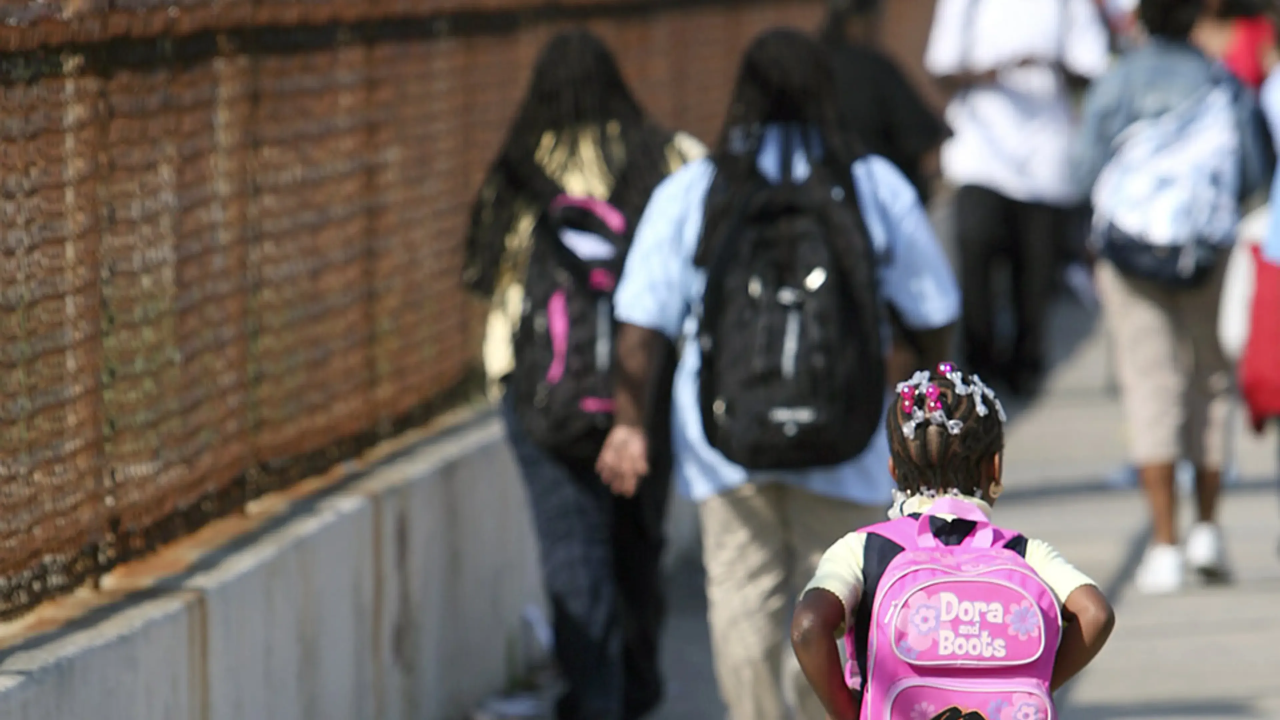
Beyond The Classroom: Why Philanthropy Should Fund The Whole Education Experience
Education is shaped by more than what happens inside a classroom. This reflection considers the role of sport, robotics, drama, public speaking, leadership and the creative arts in building young people’s confidence, creativity, teamwork and sense of possibility.
Read More:
#CivSource South Africa #TheQuestionWeAreSittingWith
Read More
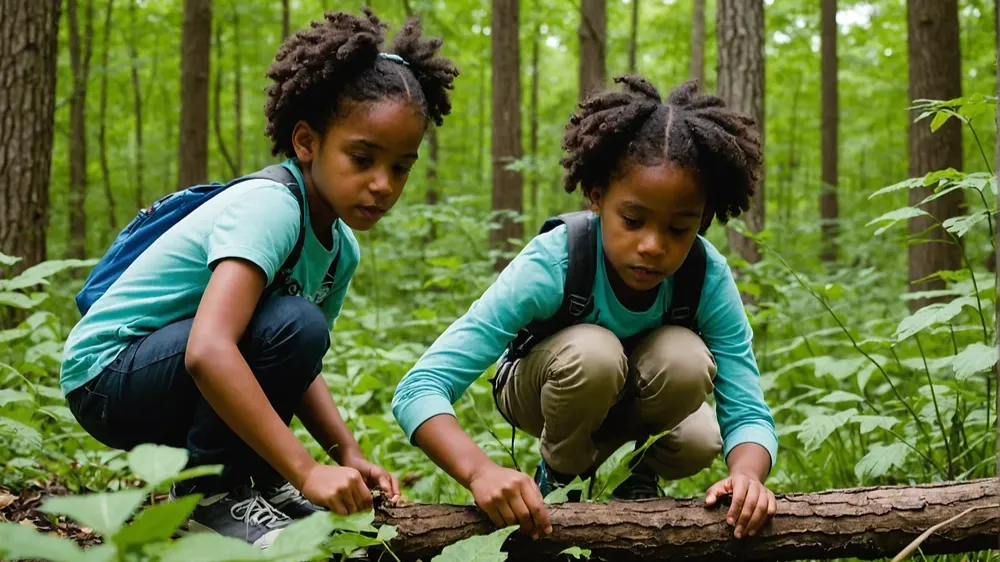
The Nature Deficit – Why Young Minds Need More Than Classrooms
What happens when young people grow up surrounded by concrete, traffic and overcrowding with limited access to nature? This reflection considers nature, education and inequality, asking whether access to green and restorative spaces should be part of how we think about healthy development.
Read More:
#CivSource South Africa #TheQuestionWeAreSittingWith
Read More
The Age Of Waithood: What Happens When Young People Cannot Become Adults?
What happens when young people are ready to work, contribute and build independent lives, but the economic conditions to do so remain out of reach? This reflection explores “waithood” and what it asks of philanthropy, youth development and society.
Read More:
#CivSource South Africa #TheQuestionWeAreSittingWith
Read More
From Participation To Recognition: Building Youth Pathways That Extend Beyond Programs
What happens after a youth programme ends? This reflection explores how intentional youth development can create pathways from participation to recognition, following WePower alumnus Kelvin Vuyo Mahlangu’s journey from programme participation to wider creative opportunity.
Read More:
#CivSource South Africa #TheQuestionWeAreSittingWith
Read More
Why Do So Many Impactful Initiatives Disappear When Funding Ends?
Community-led initiatives can create meaningful change and still disappear when funding ends. This reflection asks what sustainability in philanthropy requires if we are serious about supporting lasting change, stronger organisations and continuity for communities.
Read More:
#CivSource South Africa #TheQuestionWeAreSittingWith
Read More
Are We Investing In Young People Or Funding Projects Around Them?
Are young people simply participating in programmes, or are they genuinely being trusted to shape the work affecting their futures? This reflection invites philanthropy to think more deeply about youth leadership, voice and decision-making.
Read More:
#CivSource South Africa #TheQuestionWeAreSittingWith
Read More
African Leaders: Prioritizing Wellness For Sustainable Impact
Leadership carries significant responsibility, often in environments shaped by limited resources and complex community needs. This reflection explores why wellness should be understood as part of the infrastructure that makes responsible and sustainable leadership possible.
Read More:
#CivSource South Africa #TheQuestionWeAreSittingWith
Read More
From Backyard Tanks To Aquaculture Enterprise: Youth Innovation In Action
What began with small koi and tilapia tanks grew into a functioning aquaculture facility. Daniel’s journey reflects what becomes possible when skills, opportunity and support come together to strengthen youth-led enterprise and sustainability.
Read More:
#CivSource South Africa #TheQuestionWeAreSittingWith
Read More
The Rainbow Can Fade: Human Rights and South Africa’s Democratic Future
South Africa’s democracy was founded on a powerful vision of dignity, equality, and shared belonging, yet that promise is under growing strain as human rights protections weaken in practice through service delivery failures, institutional fatigue, corruption, inequality, and declining public trust. The danger is not always dramatic. It often appears through slow erosion, when rights to water, education, healthcare, safety, and participation exist in law but remain uncertain in daily life. Even so, the country still holds important democratic strengths in its Constitution, judiciary, civil society, investigative journalism, and social movements. This creates an urgent question for philanthropy: how can it help strengthen democracy in meaningful ways? From supporting civic education and constitutional literacy to funding accountability work, independent watchdogs, dialogue platforms, and participatory grantmaking, philanthropy has an important role in helping ensure that human rights remain lived realities rather than distant promises.
Read more to explore what is at stake for South Africa’s democratic future.
Read More
Watershed Moments: Philanthropy, Policy Failure, and the Urban Water Crisis in Johannesburg and Pretoria
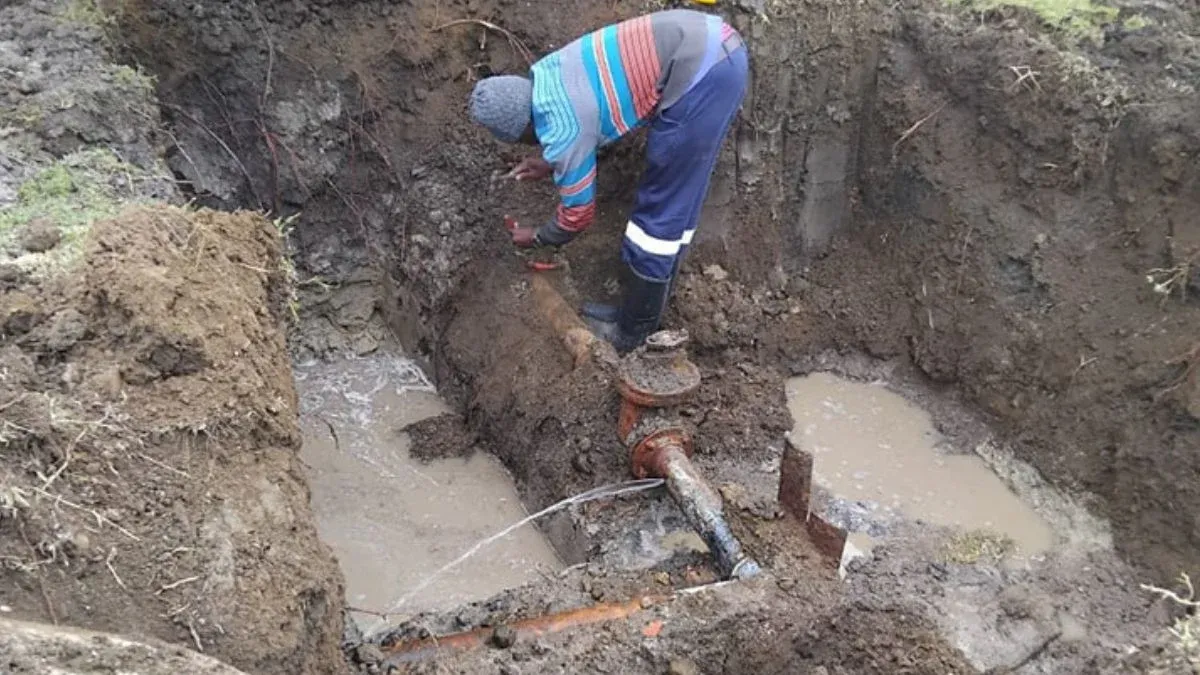
Johannesburg and Pretoria’s water disruptions have tipped from persistent strain into a systemic urban crisis. In this article, Oratile Mokase unpacks how ageing infrastructure, financial instability, and governance gaps are combining to produce prolonged outages, public anger, and widening inequality. The piece also points to a strategic role for philanthropy, moving beyond emergency relief toward accountability, community power, and practical innovation that supports long term water justice.
Read more
Read More
Housing Crisis in Cape Town From Fort to Flat: The Cape Colony Reimagined in a Time of Housing Hardship
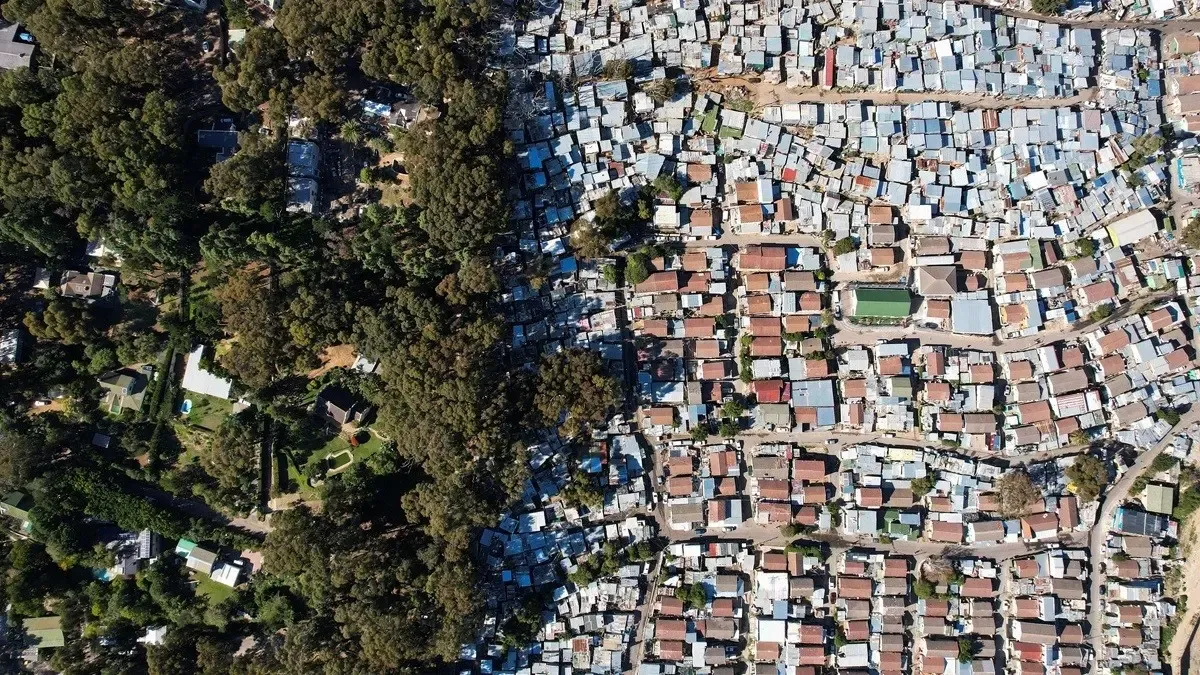
Cape Town is celebrated worldwide, yet the city’s housing crisis tells another story—one written through colonial land control, apartheid planning, and present-day market pressures. From Fort to Flat maps how fortified power became an urban blueprint that still shapes who gets to live near opportunity and who is pushed to the margins. The piece looks beyond housing numbers to the politics of location, the pressure of short-term rentals and investment trends, and the work of civil society movements fighting for spatial justice. It closes by naming philanthropy’s catalytic role: backing evidence, resourcing community voice, convening cross-sector pilots, and sustaining policy reform.
Read the full article
Read More
Higher Education and Philanthropy in South Africa: A Civic Lens on Unequal Access, Collective Responsibility, and Youth Futures
As a new academic year begins, many South African students meet entry requirements yet still cannot register, secure housing, or stay enrolled due to fees, debt, funding gaps, and uneven support systems rooted in historic inequality. This reflection argues that philanthropy can help shift the story when it listens to youth, backs holistic support that covers real student costs, strengthens historically marginalised institutions, and builds stronger school to university pathways, while working alongside government and civil society to pursue long-term systems change.
Read more
Read More
Strengthening Local Philanthropy Amid Global Uncertainty
In February 2025, CivSource South Africa joined an IPASA convening on philanthropy’s response to the sudden withdrawal of US funding from South Africa’s health sector, including severe cuts to HIV and AIDS initiatives. Chaired by Louise Driver, the discussion surfaced an urgent need for resilience and diversified, locally anchored financing, with insights from Kone Gugushe of FirstRand Foundation and David Harrison on the scale of the funding gap and the importance of coordinated action with government and civil society. The reflection points to this moment as a catalyst for strengthening local philanthropic infrastructure, accelerating collaboration, and shifting from dependency toward long-term local ownership.
Read more
Read More
Building Bridges: Reflections on South South and Diaspora Collaboration
In late August 2025, CivSource South Africa joined the Ringo Connect discussions to explore how international civil society can work alongside locally led actors, with a focus on how diaspora communities can power collective action across the Global South. While remittances remain a major lifeline for households, the conversation surfaced why these flows often stay individual rather than becoming pooled investments that strengthen institutions, including high transfer costs, uneven access to reliable digital channels, and the trust and governance conditions needed for shared vehicles such as diaspora bonds and diaspora philanthropy. The key insight was clear: diaspora collaboration depends on more than money, it depends on trust, solidarity, and practical infrastructure that can translate individual support into sustained collective impact.
Read more
Read More
Democracy in the Balance
In Johannesburg, at The Forum in Hyde Park, the Ford Foundation convened an evening on “Democracy in the Balance: Constitutionalism in a Shifting Global Order,” bringing together jurists, activists, philanthropic leaders, and community voices to reflect on democracy’s fragility and what it will take to sustain it. The gathering also marked a farewell moment for Ford Foundation President Darren Walker, who steps down at the end of 2025, with reflections framed by Yasmin Sooka and a panel moderated by Sasha Stevenson featuring Justice Dikgang Moseneke, Darren Walker, Charlene May, and youth activist Noncedo Madubedube, who each underscored the urgency of justice, economic dignity, and real opportunity as essential to democracy’s promise. CivSource South Africa team members were present for the dialogue and the connections it sparked across the sector.
Read more
Read More
From Local Stories to Global Justice: Why Narratives Matter in Philanthropy
This reflection argues that philanthropy is not only measured in grant sizes and reach, but in the stories that carry lived reality, community wisdom, and the truth behind the numbers. Drawing on Darren Walker’s From Generosity to Justice, it makes the case that generosity without listening can become temporary relief, while justice demands transformation shaped by the voices of people most affected. CivSource South Africa positions local narratives as instruments of justice that bridge the gap between global agendas and grassroots realities, reminding us that impact begins with who is heard, who is seen, and who gets to shape the solution.
Read more.
Read More
Philanthropy in the Age of Influence: Can Purpose Survive Performance?
This reflection explores how philanthropy is being reshaped by the age of influence, where visibility is currency and social good is increasingly measured through impressions, likes, and shareability. While digital platforms have helped amplify voices, mobilise support, and allow civil society to tell its own stories, the piece warns of a growing pressure to perform purpose, where impact can start to look better than it feels. CivSource South Africa invites readers to take the mirror test, asking hard questions about integrity, accountability, and whether visibility is deepening purpose or replacing it, reminding us that transformation cannot be posted, it must be lived.
Read more.
Read More