
Allen Asiimwe

As CivSource Africa celebrates nine years in philanthropy, our CivSource South Africa team visited African Haven’s Baby Haven in Johannesburg as part of our quarterly outreach and #CivSourceAt9 reflections.
The visit offered important lessons on relationship-centred care, supporting caregivers, helping young people transition from care and growing at a pace that protects quality. It also reminded us that effective philanthropy begins with listening, understanding organisations in their own context and supporting what they identify as most useful.
Read more about what the visit taught us about care, growth and serving well.
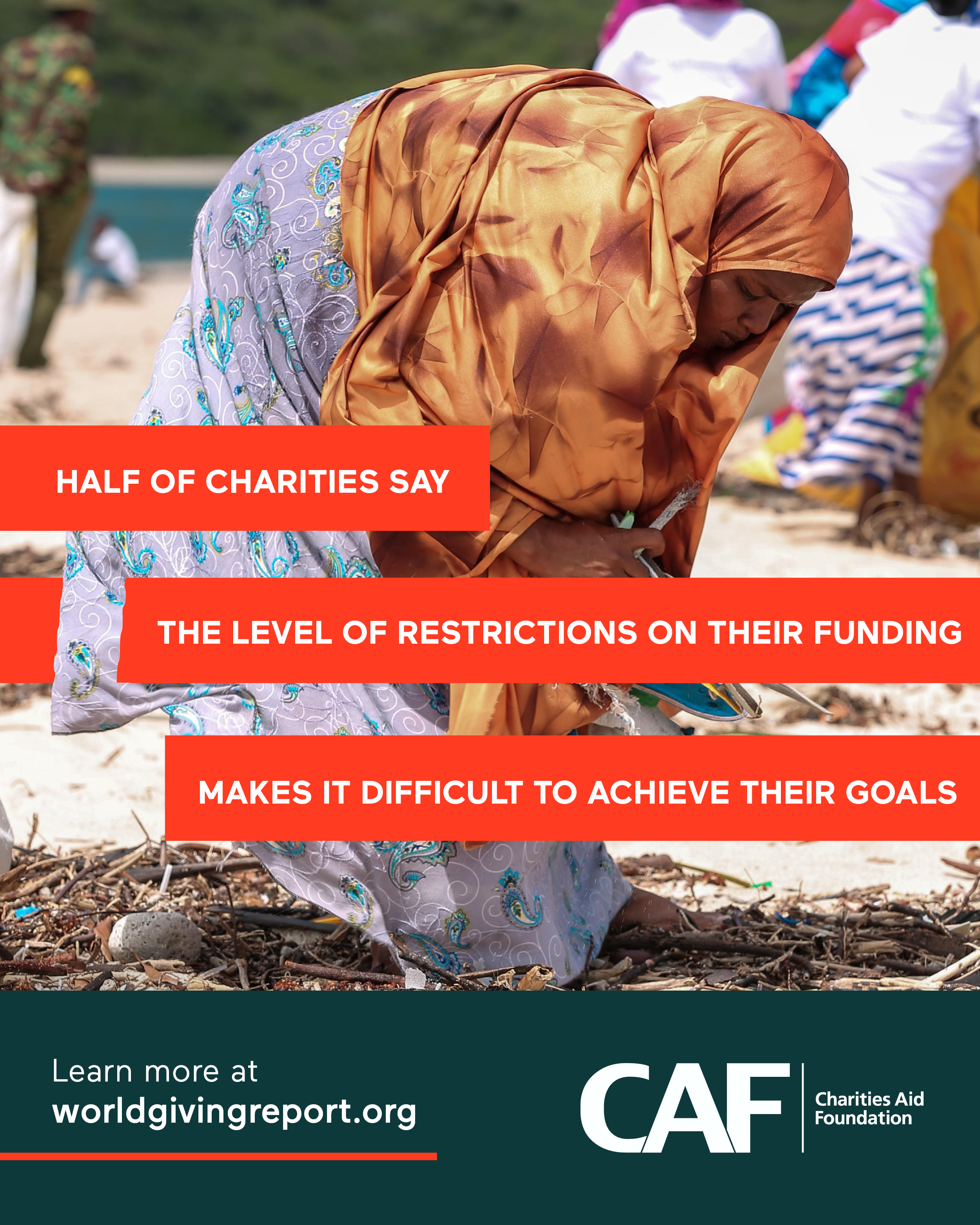
What does it take for social purpose organisations to remain resilient in an increasingly demanding environment?
The World Giving Report’s Charity Insights 2026 explores the experiences of organisations across 33 countries, revealing significant concerns around financial sustainability, operational strength, people, partnerships and rising demand. With fewer than two in five charities feeling well positioned for the next three years, the findings offer an important reflection on what organisations, funders and policymakers can do to strengthen the resilience of civil society.
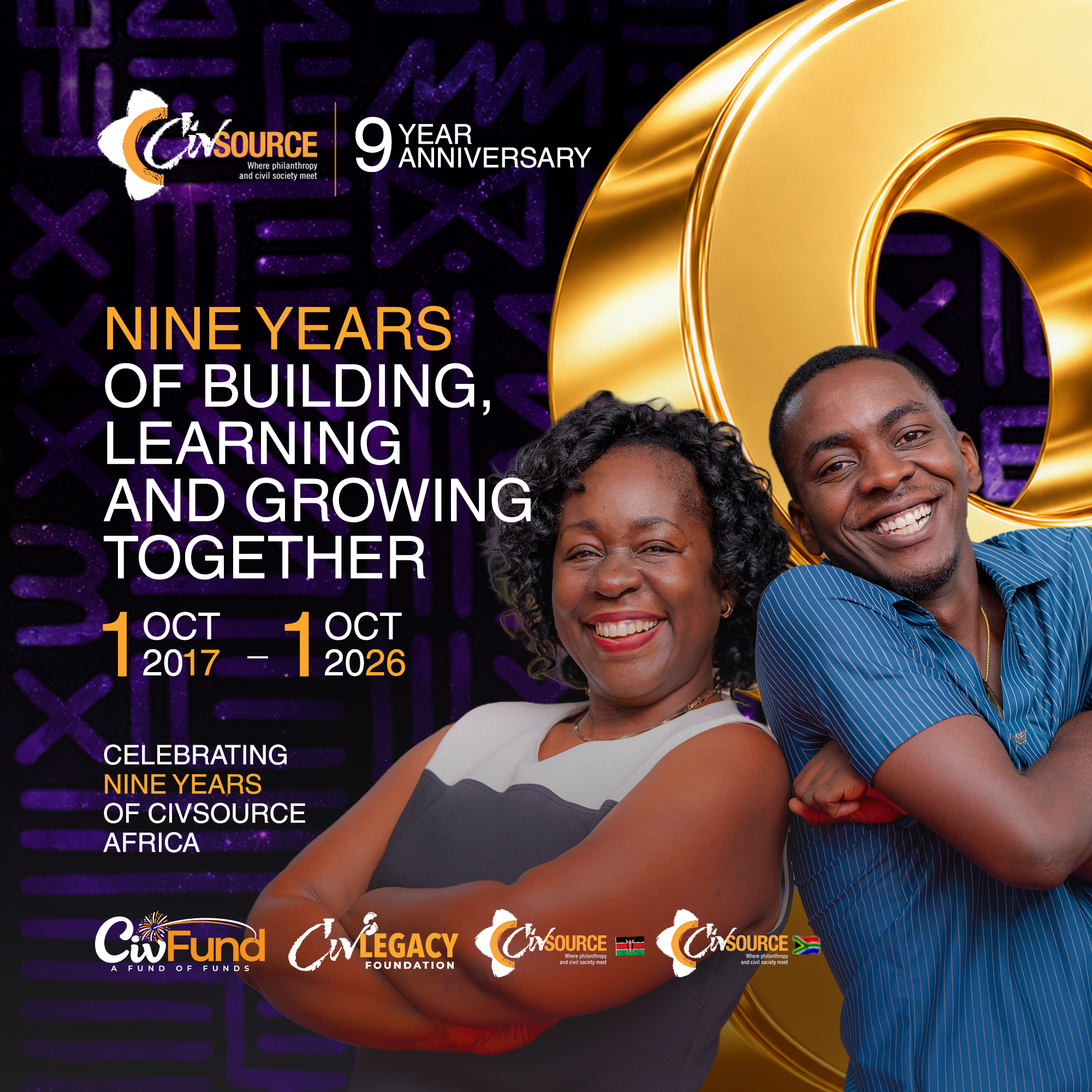
On 1st October 2026, CivSource Africa marks nine years of learning, building, questioning and growing. As we celebrate how far we have come, we also look ahead to the organisation we are becoming and the future we are still daring to build.
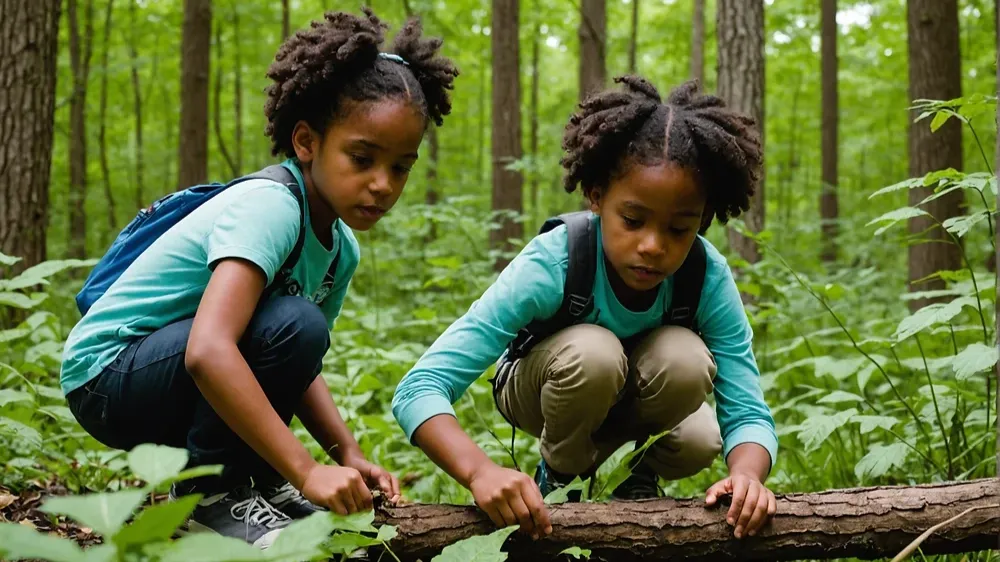
What happens when young people grow up surrounded by concrete, traffic and overcrowding, with limited access to nature? In this edition of SA Realities in Philanthropy, CivSource South Africa reflects on the relationship between nature, education, inequality and healthy development, asking us to consider whether access to green and restorative spaces should be understood as part of a broader question of equity for young people.
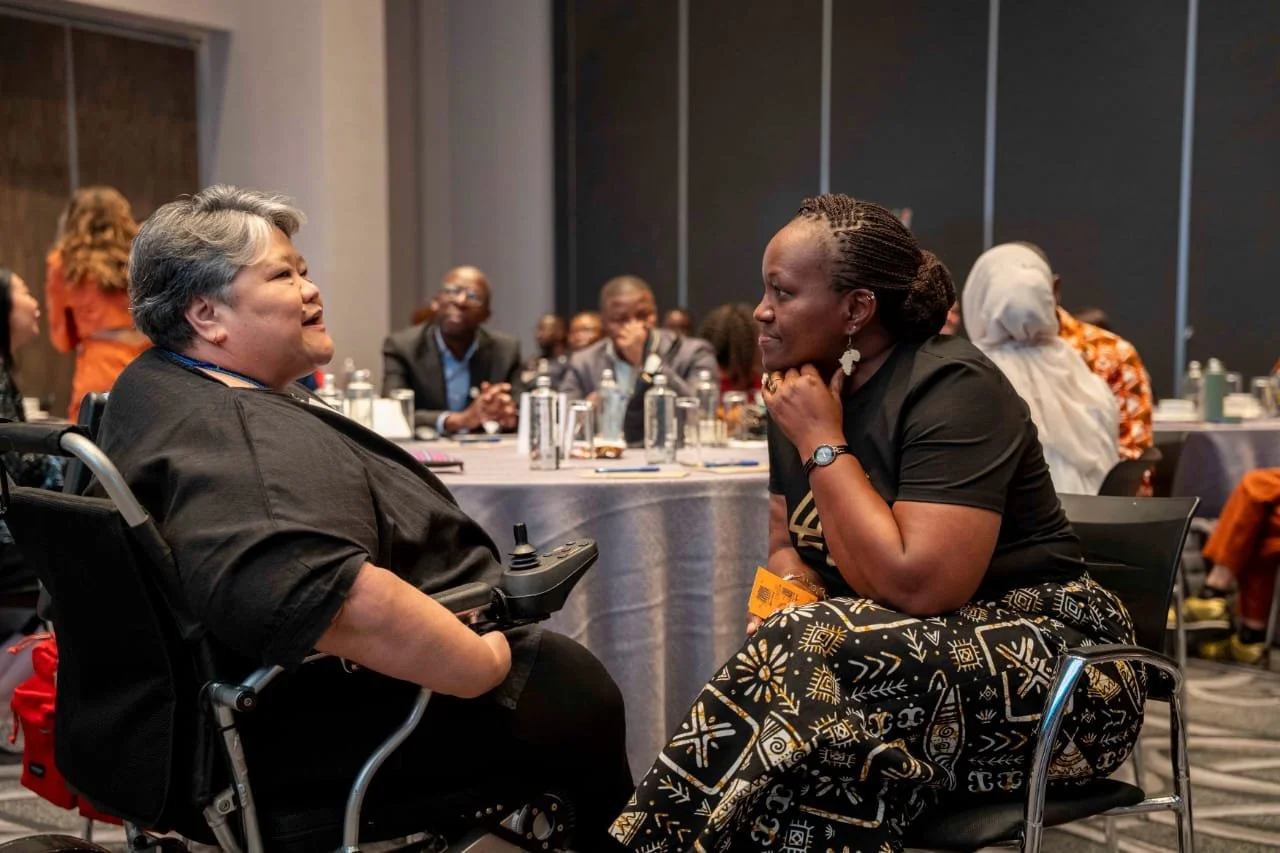
Five years ago, CivSource Africa stepped into the Weaving Resilience Initiative unsure of what it could contribute to conversations on financial resilience. What followed was a journey that reshaped how the organisation thinks about money, reserves, systems, staff wellbeing and institutional sustainability. In this reflection, Jacqueline Asiimwe looks back on how saying yes to unfamiliar work strengthened both the organisation and the people within it, and how resilience became something to build deliberately, long before a crisis arrives.
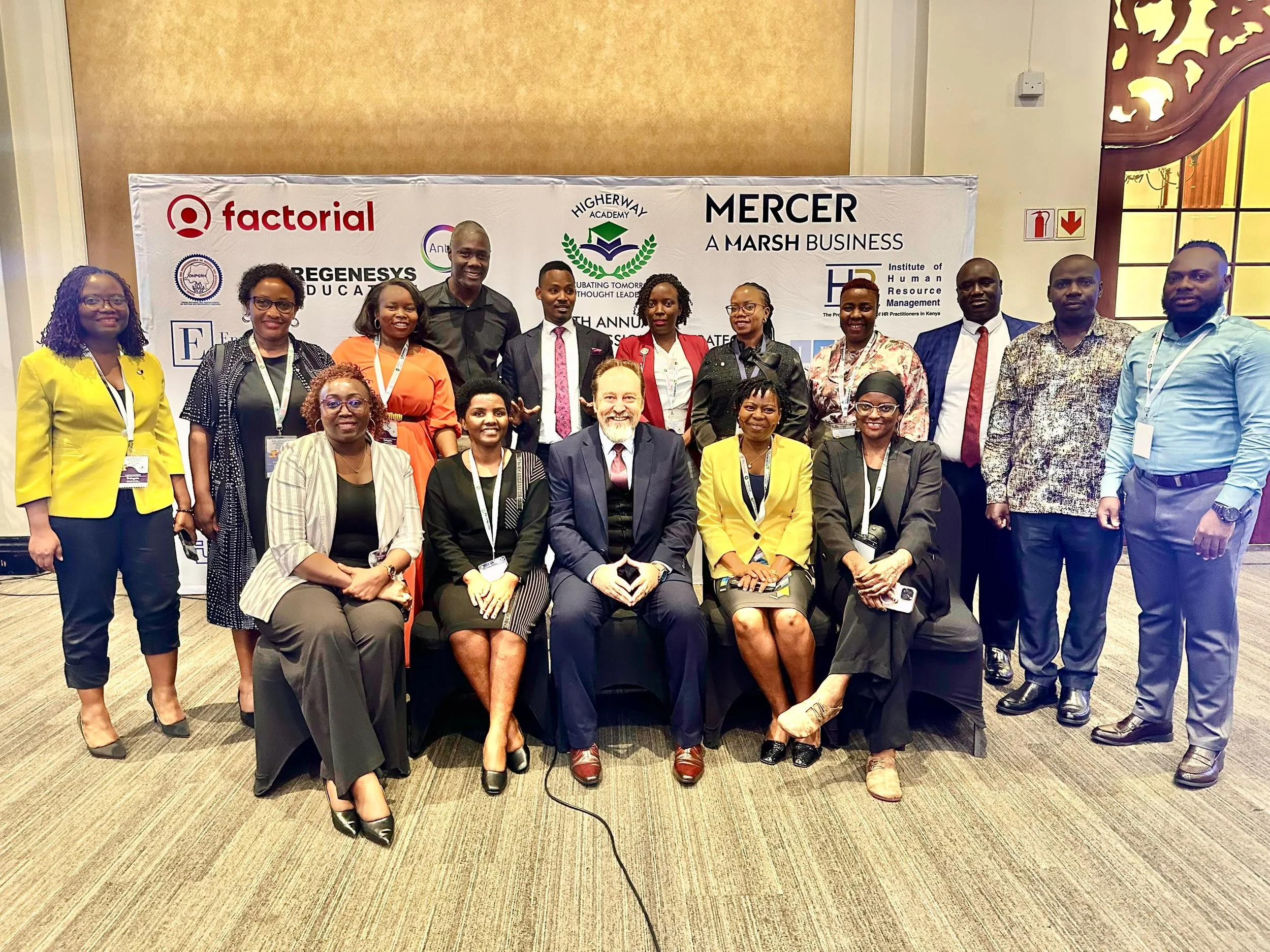
The 5th Annual Africa HR Professionals Strategy Bootcamp in Cape Town brought together HR leaders to explore how people, systems and technology can drive rapid organisational change. Beyond conversations on culture, AI, data, performance and digital transformation, one message stood out: sustainable leadership also requires self-compassion, wellbeing and the ability to move beyond survival mode. The experience offered valuable reflections for CivSource Africa on building resilient teams, strengthening organisational culture and preparing for the future of work.
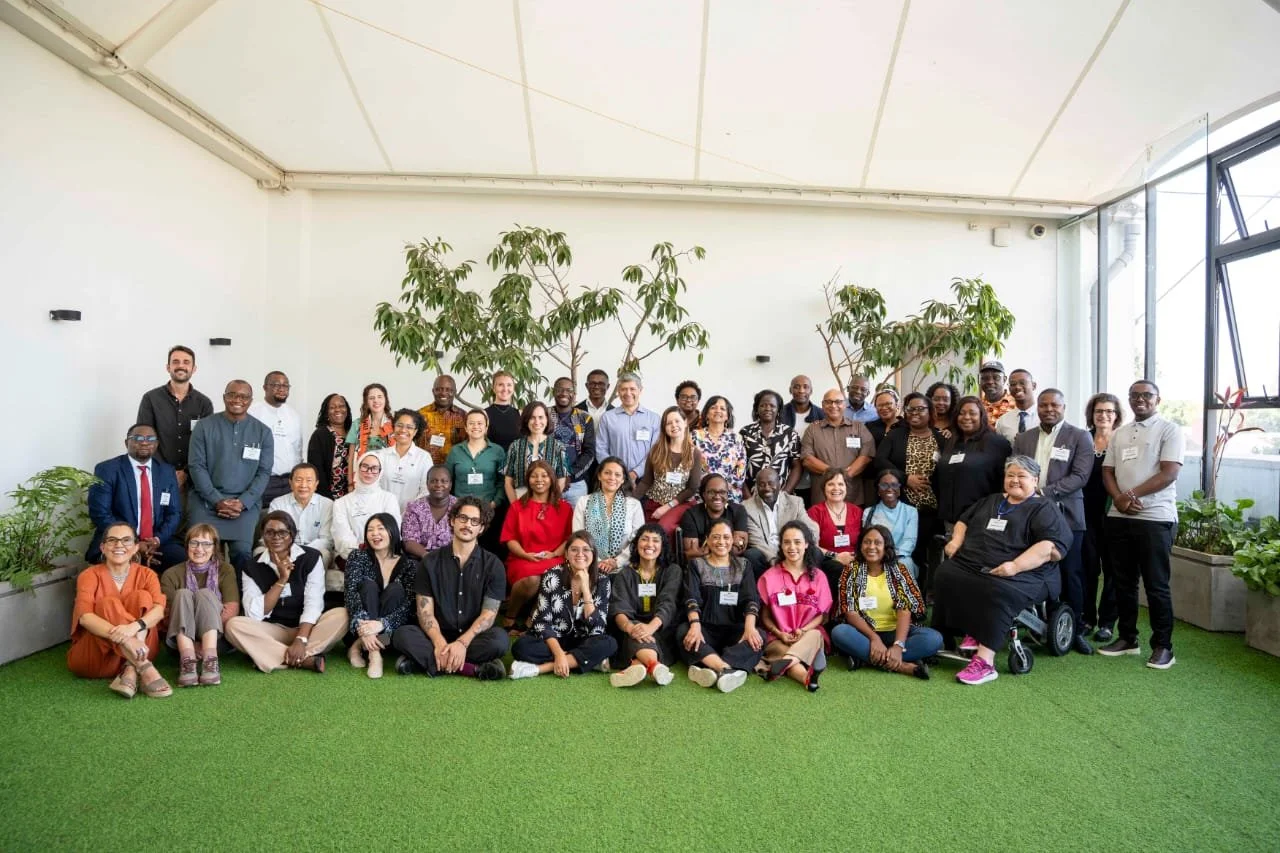
The Communications Learning Template is designed to support learning, reflection and knowledge sharing across the CivSource Africa Galaxy. It provides a simple framework for documenting experiences, capturing key lessons and sharing insights that can strengthen communications practice across the different entities.
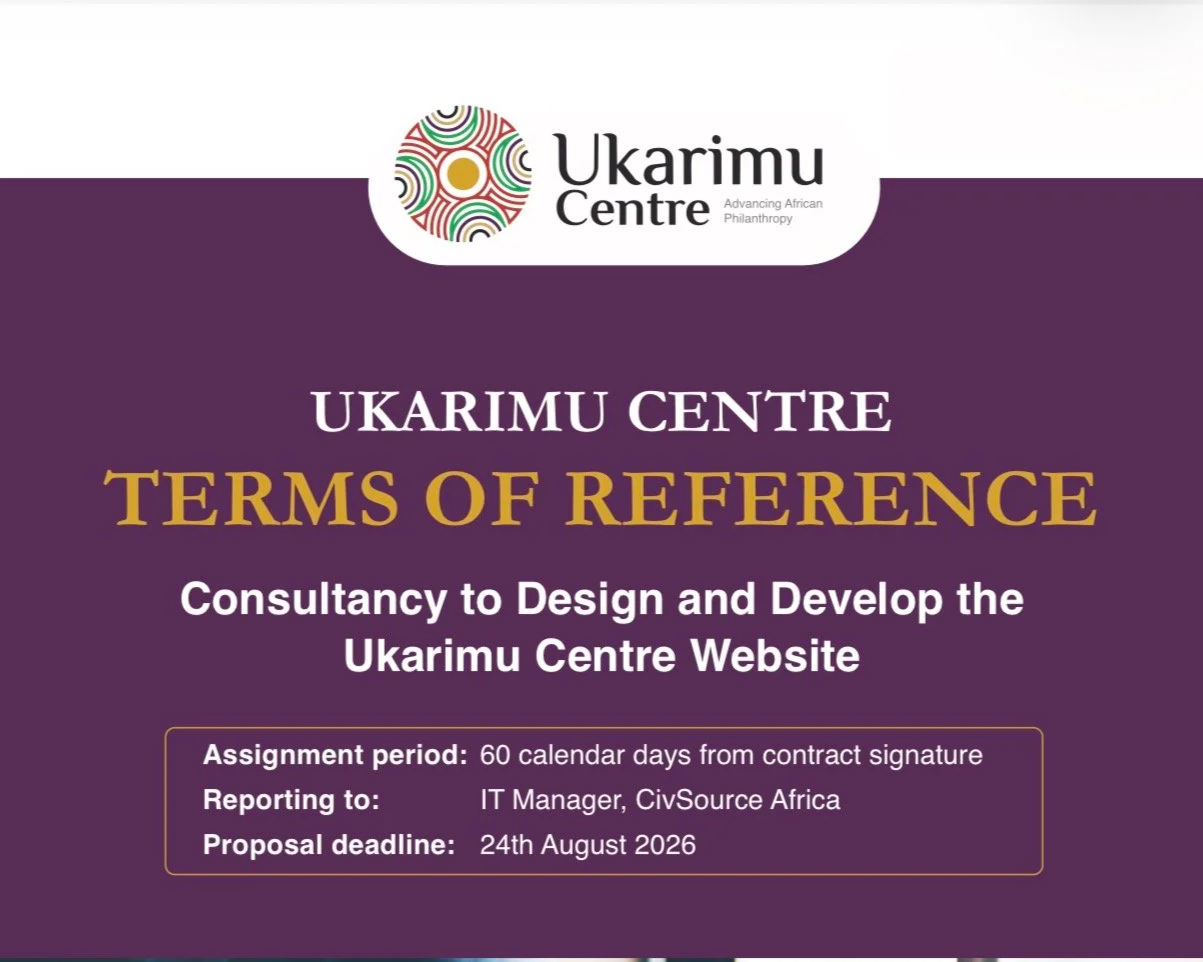
What should a digital home for African philanthropy look and feel like?
The Ukarimu Centre is seeking a qualified consultant or web development firm to design and develop a modern, accessible, secure and engaging website that will serve as a hub for research, learning, dialogue, knowledge exchange and African philanthropy.
Established by Makerere University and CivSource Africa, the Ukarimu Centre is dedicated to researching, strengthening capacity for and amplifying African generosity and philanthropy.
🗓️ Proposal deadline: 24 August 2026
👉🏾 Read the full Terms of Reference for submission requirements and details.
#UkarimuCentre #AfricanPhilanthropy
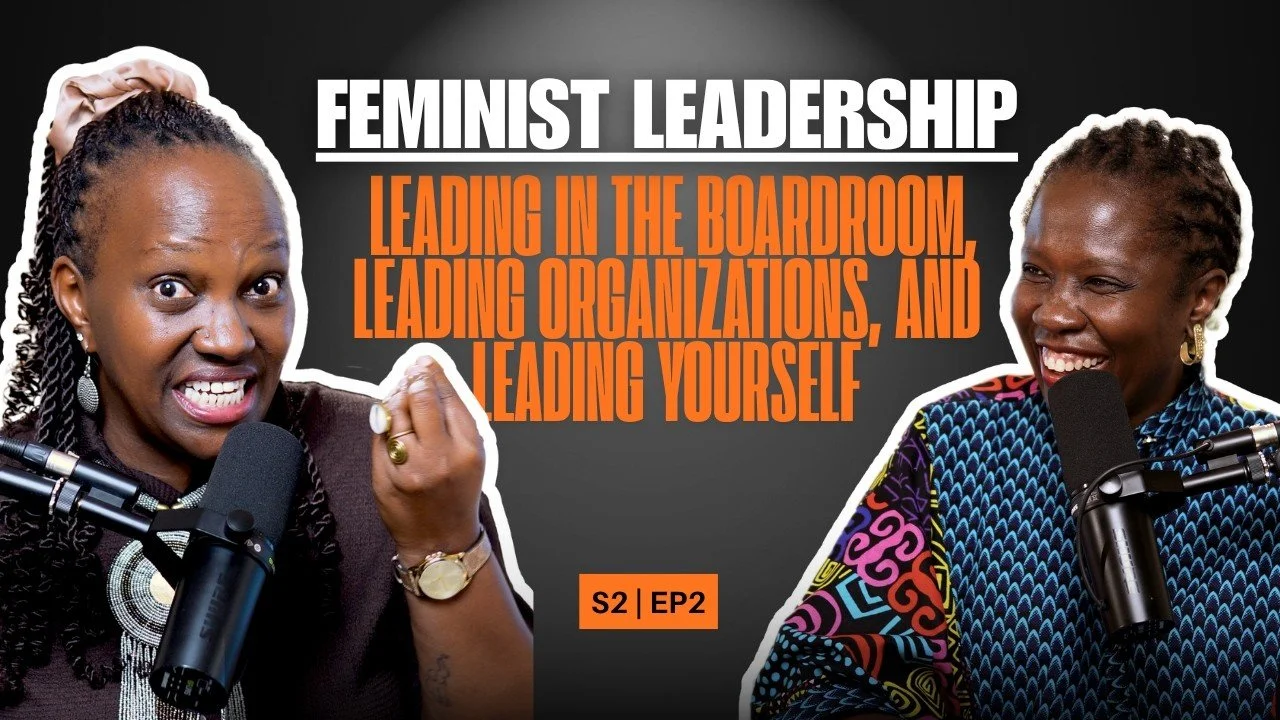
In this episode of the Ubuntu Narratives Podcast, Jacqueline Asiimwe reflects on her journey as both a feminist and a leader. She discusses how feminist values can reshape leadership in boardrooms, organisations and everyday life while acknowledging that becoming a feminist leader is rarely a straightforward journey.
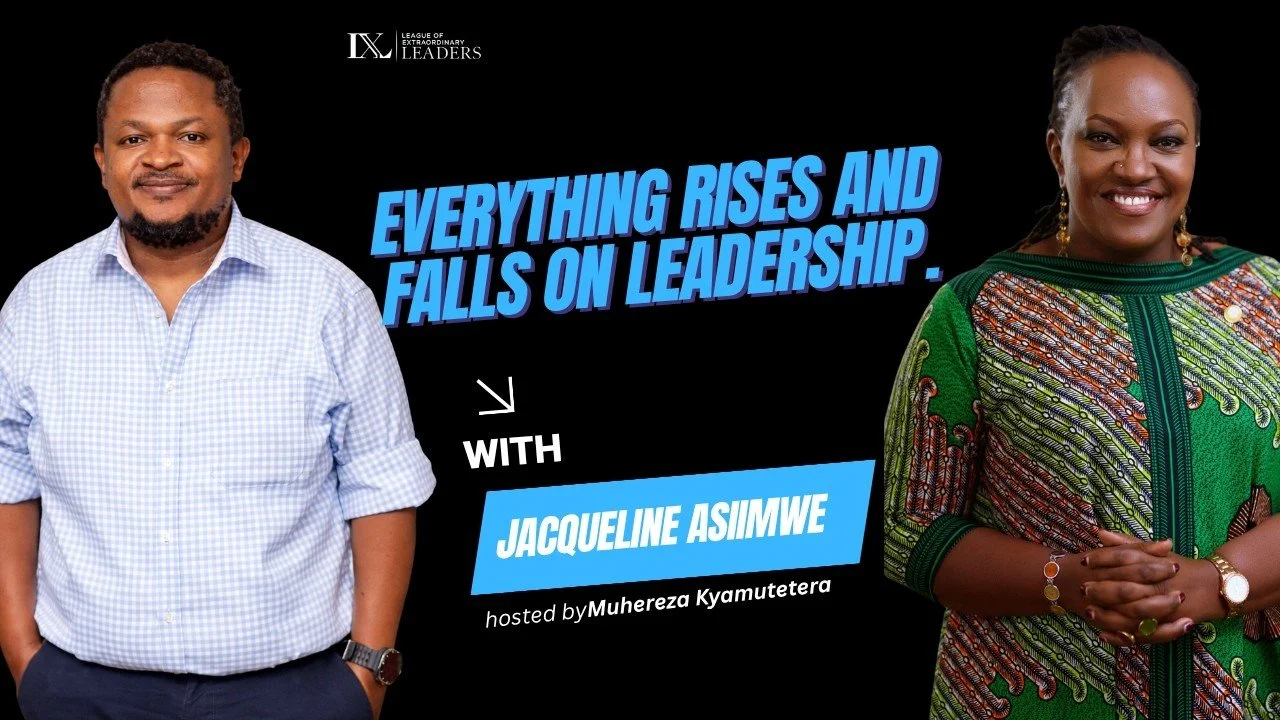
In this deeply personal conversation with Muhereza Kyamutetera, Jacqueline Asiimwe reflects on the experiences that shaped her leadership journey. She speaks about authenticity, empathy, mental health, personal discipline and the responsibility leaders carry as they guide people and institutions.

In this conversation on the TJK Podcast, Jacqueline Asiimwe reflects on leadership, purpose and the courage required to keep learning, unlearning and acting on one’s convictions. The discussion offers a brief but thoughtful exploration of the beliefs that shape purposeful leadership and the inner resolve required to lead authentically.
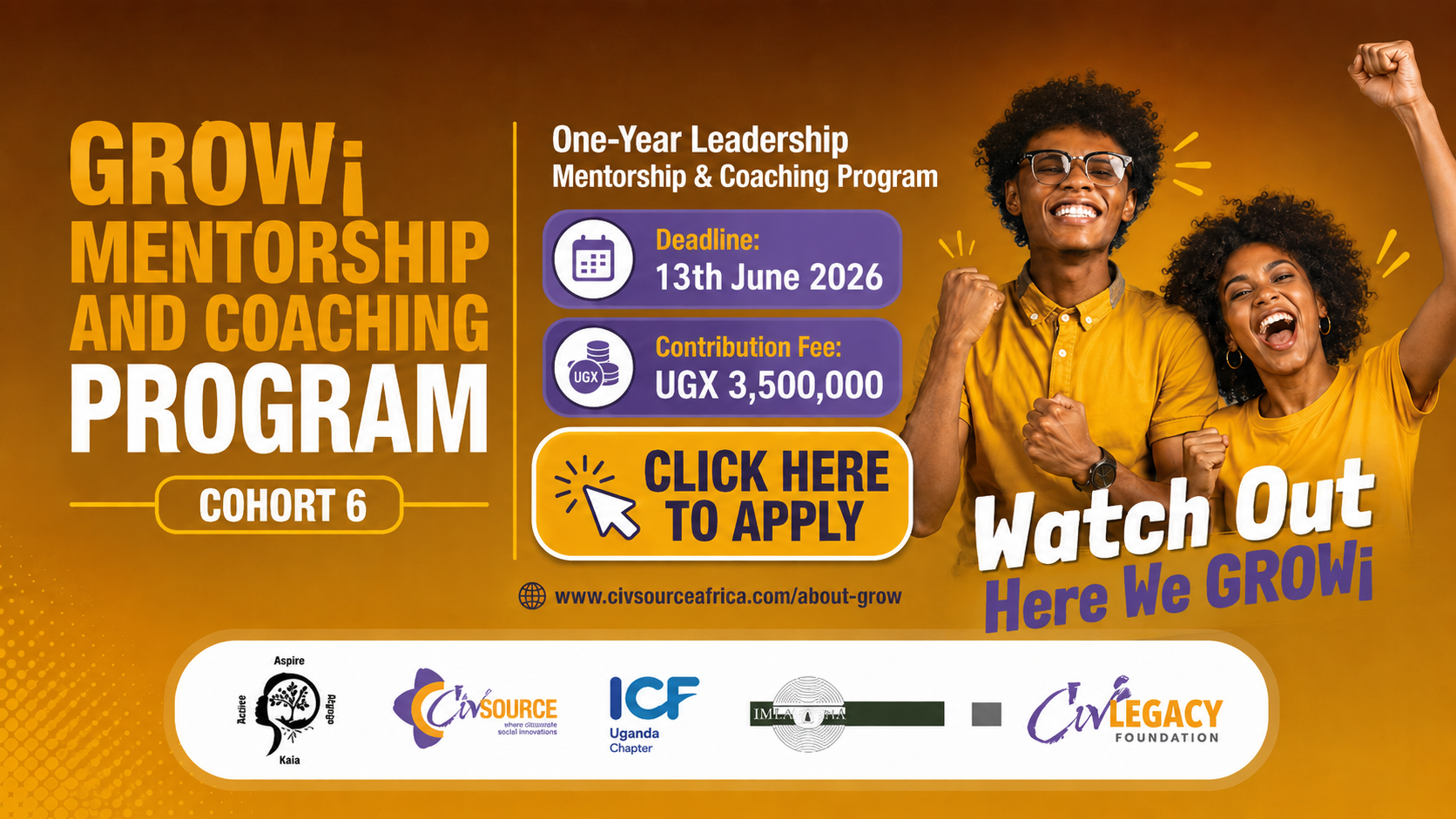
Are you ready to grow, transform, and lead with greater clarity, confidence, and purpose? Applications are now open for Cohort 6 of the GROW¡ Mentorship and Coaching Program, a one-year leadership journey designed for visionary and purpose-driven leaders. The program offers personalised mentorship, one-on-one coaching with certified coaches, access to a powerful network of like-minded leaders, accountability structures, 14 learning sessions, 6 personalised coaching sessions, and a comprehensive psychometric assessment with a detailed report. Limited slots are available. Deadline for expressions of interest: 13th June 2026.
Read more and apply HERE:
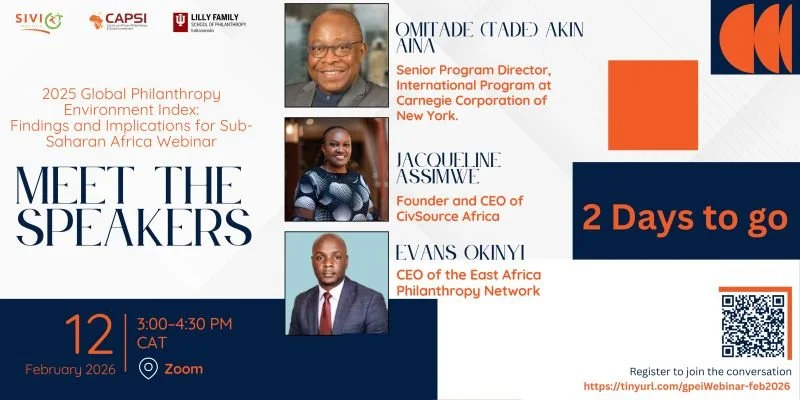
CivSource Africa participated in a regional webinar convened by SIVIO Institute, CAPSI, and the Indiana University Lilly Family School of Philanthropy on the Global Philanthropy Environment Index for Sub-Saharan Africa. Jacqueline Asiimwe, Founder and CEO of CivSource Africa, joined Dr Omotade Akin Aina and Evans Okinyi in a conversation on how policy, regulation, culture, and local giving practices shape philanthropy across the continent. The session reflected CivSource Africa’s continued commitment to strengthening philanthropy ecosystems and deepening African-led conversations on giving.
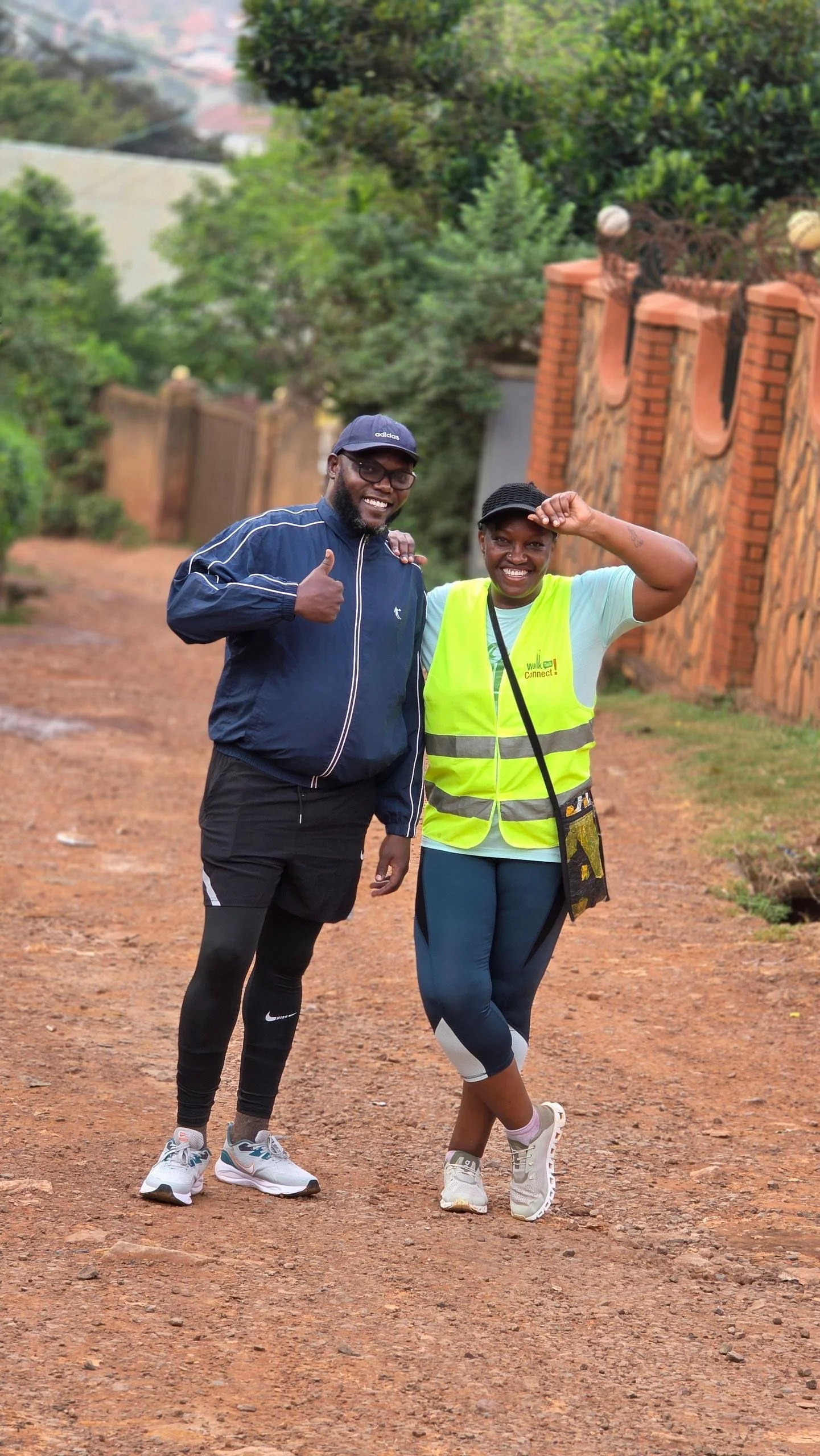
In this reflection, Jacqueline Asiimwe walks with George Bogere, a colleague known for asking thoughtful questions that reveal blind spots and sharpen conversations. Their walk explores justice, governance, organisational resilience, and the promises leaders must make to themselves if they are to build institutions that can endure difficult times with purpose and integrity.

In this Walk With the CEO reflection, Jacqueline Asiimwe walks with Bonny, her Movement Facilitator, who has supported her through years of early mornings, late nights, public moments, and private pressure. Their conversation turns toward the “roads” in life that need repair, including education, finances, accountability, and the courage to keep pursuing long-held dreams.

In this reflection, Jacqueline Asiimwe walks with Robert Ninyesiga, one of the newer members of the CivSource Africa team. The story celebrates Robert’s commitment to the vision, his ability to build bridges, his humour, and his heart for philanthropy and young people. It is a tribute to team members who do more than complete tasks; they carry the dream.
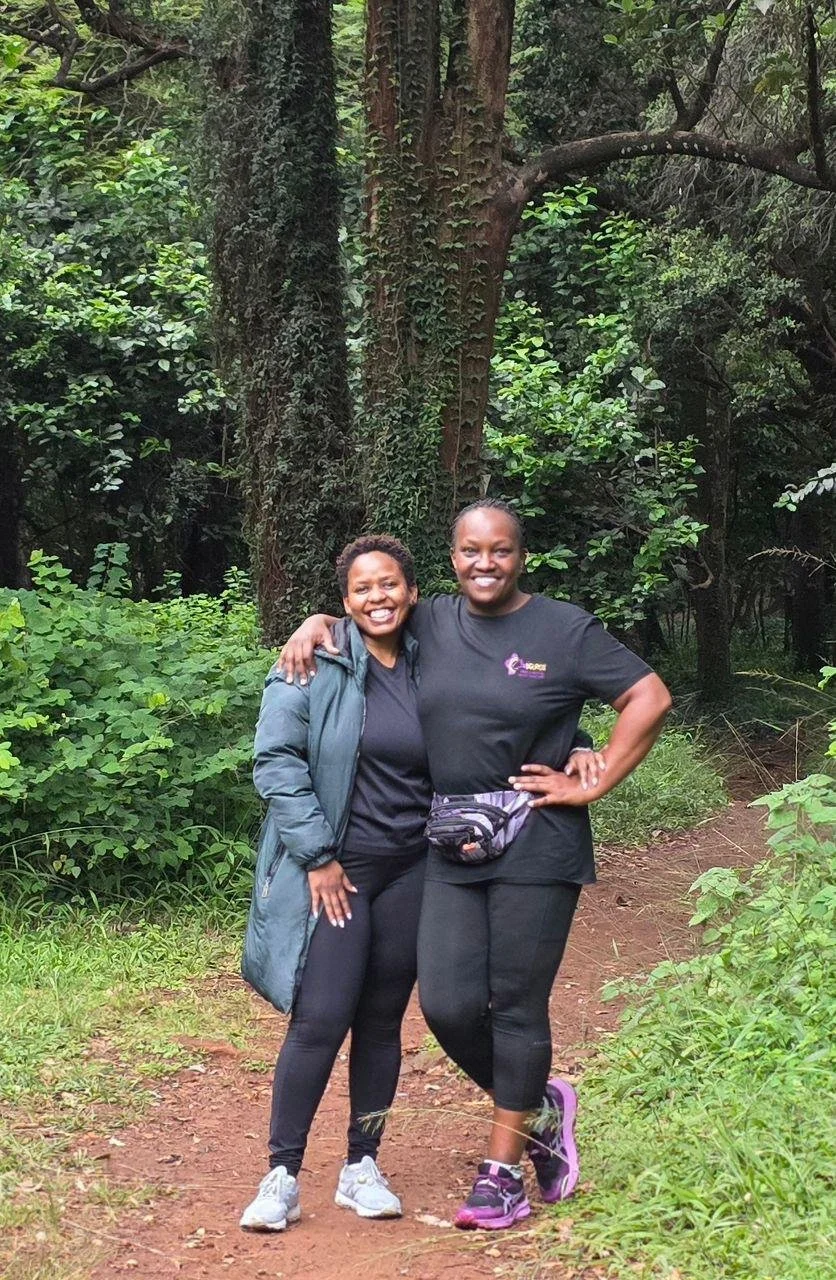
In this Walk With the CEO reflection, CivSource Africa CEO Jacqueline Asiimwe walks with Asiimwe Allen, whose journey with Jacqueline began long before CivSource Africa took shape. From the early days of Sister’s Keeper to her current leadership of the Mopane Leadership Program, Allen’s story reflects patience, depth, commitment, and the quiet discipline of growing into responsibility with care.
The reflection honours Allen as a leader who does not simply do the work, but deepens it, stretches it, and brings heart to the way leaders are supported. It is a reminder that leadership is not always rushed; sometimes, it is built slowly enough to hear the heartbeat of the people it serves.
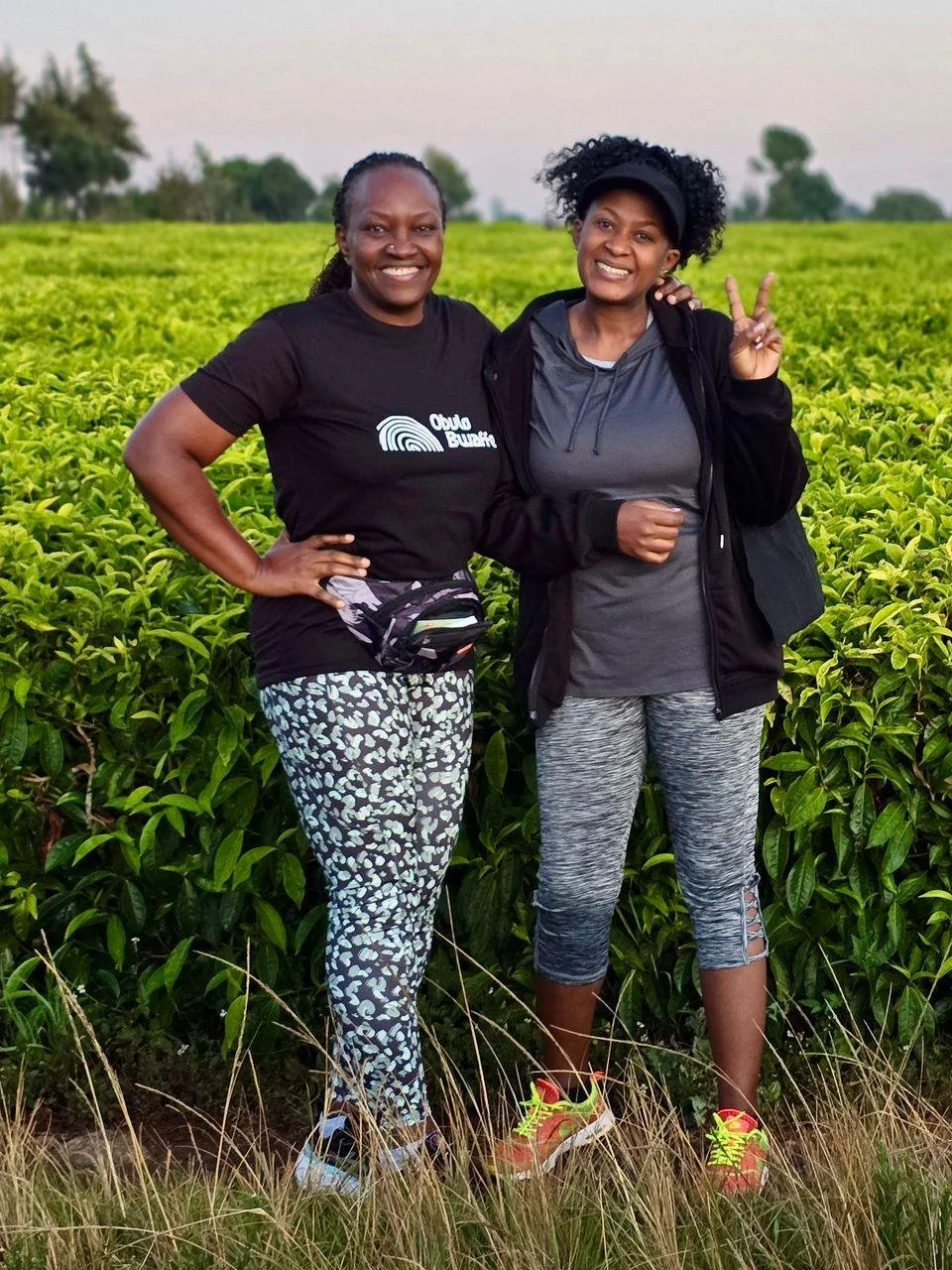
In this Walk With the CEO reflection, Jacqueline Asiimwe walks with Elizabeth, whose work nurtures children’s love for reading while also helping communities recognise the abundance already within their reach. Through her commitment to literacy, neighbourhood possibility, and practical community care, Elizabeth shows that community is not an abstract idea; it is something lived, noticed, and built through everyday action.
Her story is a reminder that transformation often begins by asking a simple question: what do we already have in our hands, and how can we use it to make our corner of the world better?

In this Walk With the CEO reflection, CivSource Africa CEO Jacqueline Asiimwe celebrates Lillian Tamale for her commitment to building CivFund from the ground up. The story honours the kind of teammate who carries responsibility with steadiness, shows up beyond the call of duty, and helps give institutional dreams structure, rhythm, and trust.
Through their walk, Jacqueline reflects on work, motherhood, standards, responsibility, and the privilege of building something larger than one person. It is a tribute to the people whose dedication allows leaders and institutions to grow with confidence.
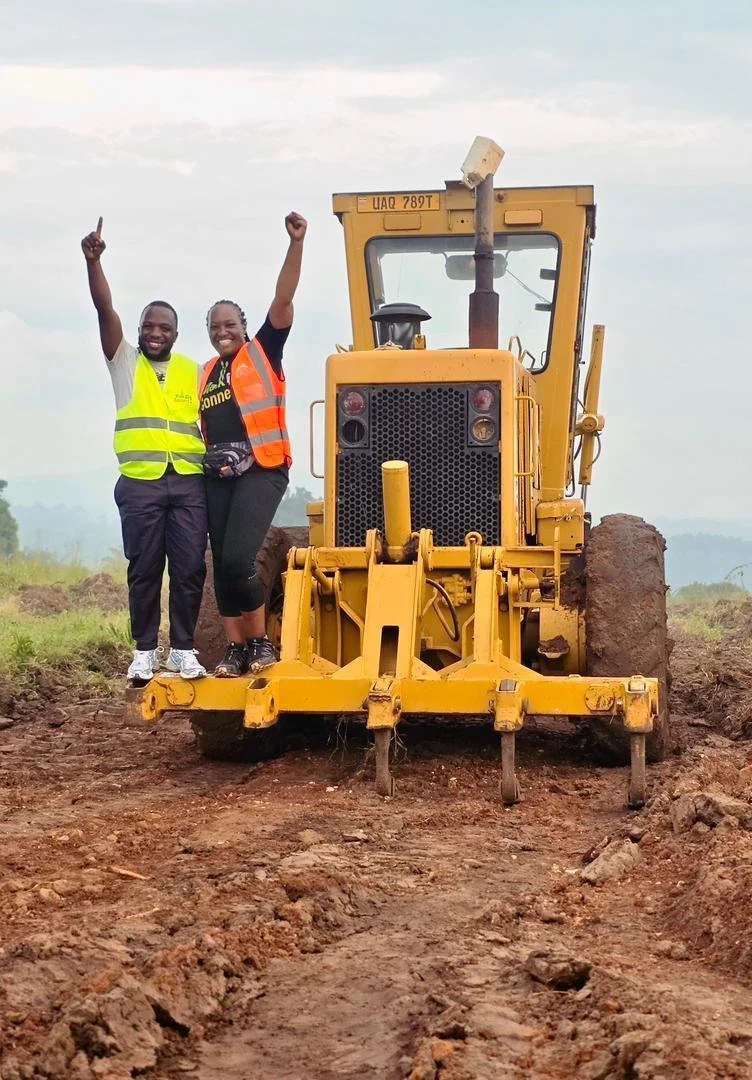
This Walk With the CEO reflection shares Tayoleke Eria’s first experience joining CivSource Africa and the warm welcome that stayed with him. From a reassuring phone call to a team song and a note at his desk, the story shows how workplace culture is built through small, human moments that make people feel expected, valued, and at home.
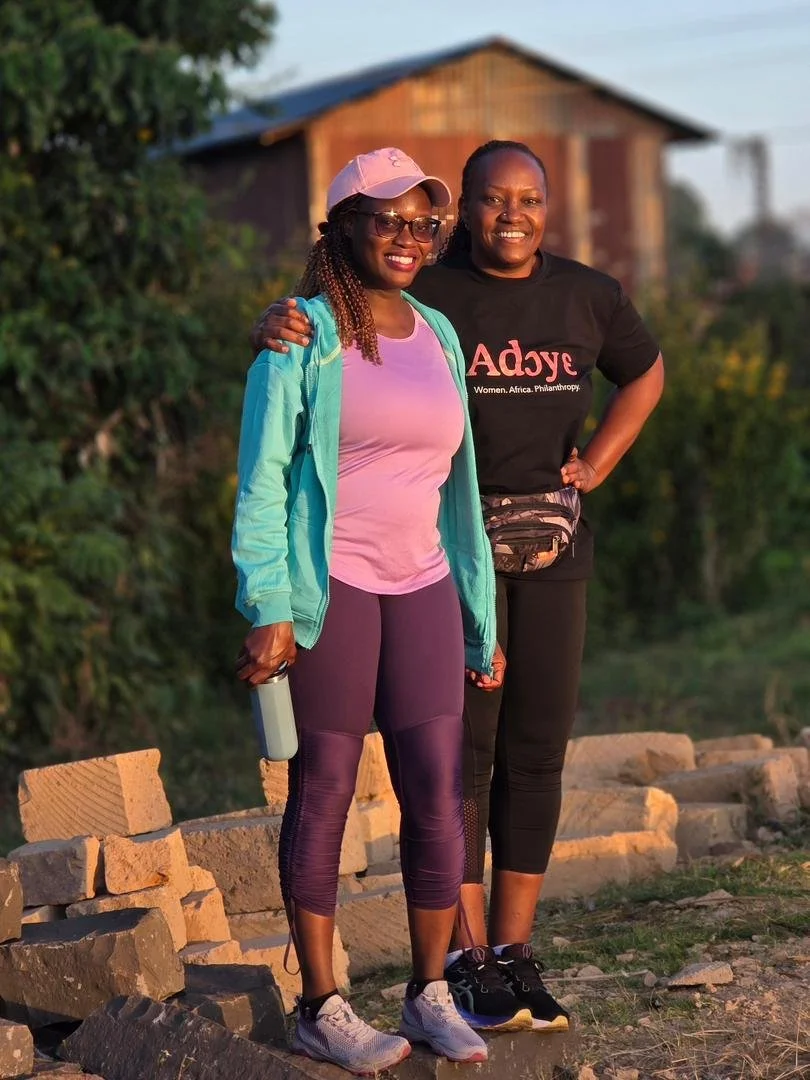
In this reflection, Jacqueline Asiimwe walks with Dorcas Mugala, CivSource Africa’s Monitoring and Evaluation lead. The story highlights the quiet leadership required to help teams embrace learning, measurement, and reflection. It honours patience, guidance, and the progress that becomes possible when colleagues listen to one another and keep walking together.

In this Walk With the CEO reflection, Jacqueline Asiimwe walks with Stella Nderitu, who joined the team to support the East Africa Girls and Young Feminist Fund. Their conversation explores mentorship, voice, access, and the importance of building a fund that does more than move resources: it signals belief, dignity, and possibility for girls and young feminists in East Africa.
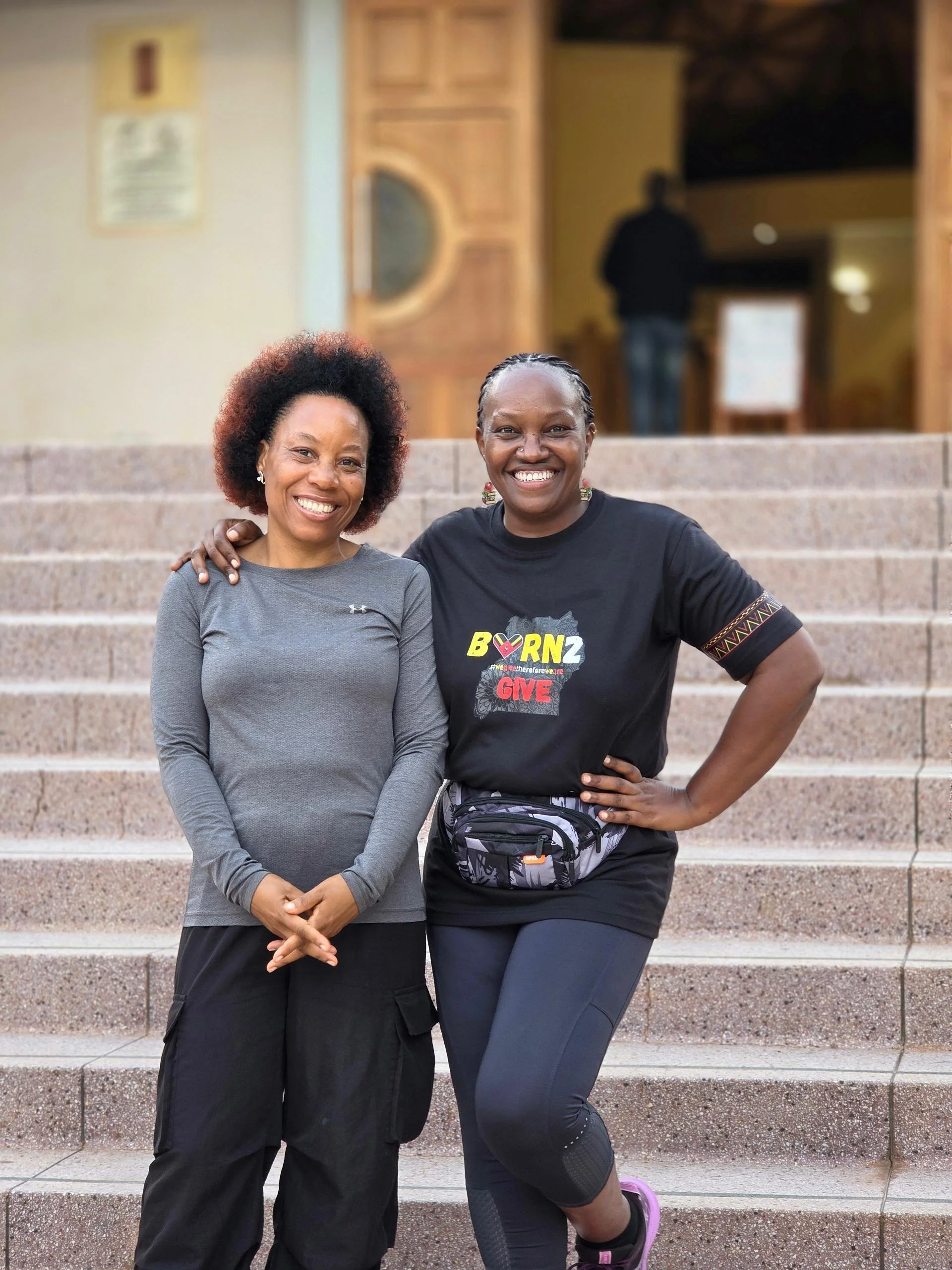
In this Walk With the CEO reflection, CivSource Africa CEO Jacqueline Asiimwe honours Cathy as one of the organisation’s “ancestors,” a person who has carried the memory, culture, and early spirit of CivSource Africa from its beginnings. The piece reflects on institutional memory, continuity, and the people who help organisations remember who they are while preparing for the future.

In this Walk With the CEO reflection, CivSource Africa CEO Jacqueline Asiimwe shares the story of Treasure Layola, whose childhood dream of becoming a lawyer found its way back into the light through a simple leadership conversation. After years of working alongside lawyers, Treasure returned to school, balancing full-time work, family responsibilities, and the demands of adult learning. Her journey is a reminder that leadership is also about listening deeply enough to recognise someone’s buried dream, then offering the encouragement they need to pursue it.
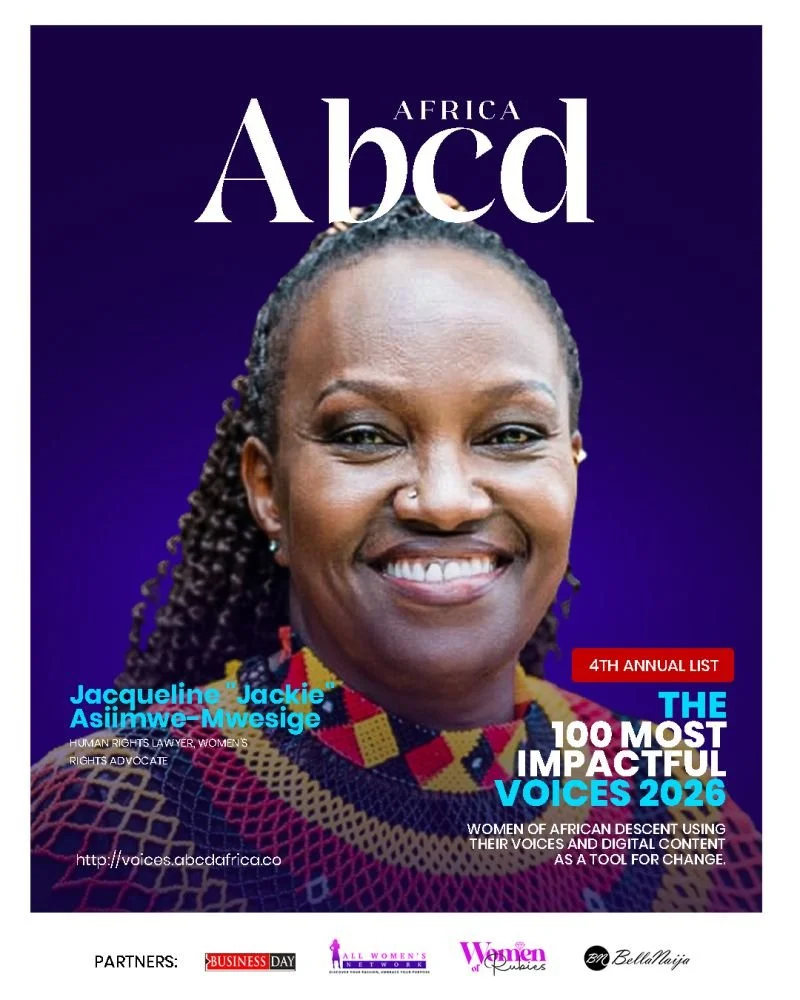
ABCD Africa has unveiled the 4th edition of the 100 Most Impactful Voices List in honour of International Women’s Day 2026, recognising women of African descent who are using their voices, leadership, digital platforms, and published work to shape meaningful change.
The list celebrates female change makers, community builders, and tech innovators across the continent and diaspora, including Jacqueline Asiimwe Mwesige, whose work continues to contribute to leadership, philanthropy, and social change in Africa.
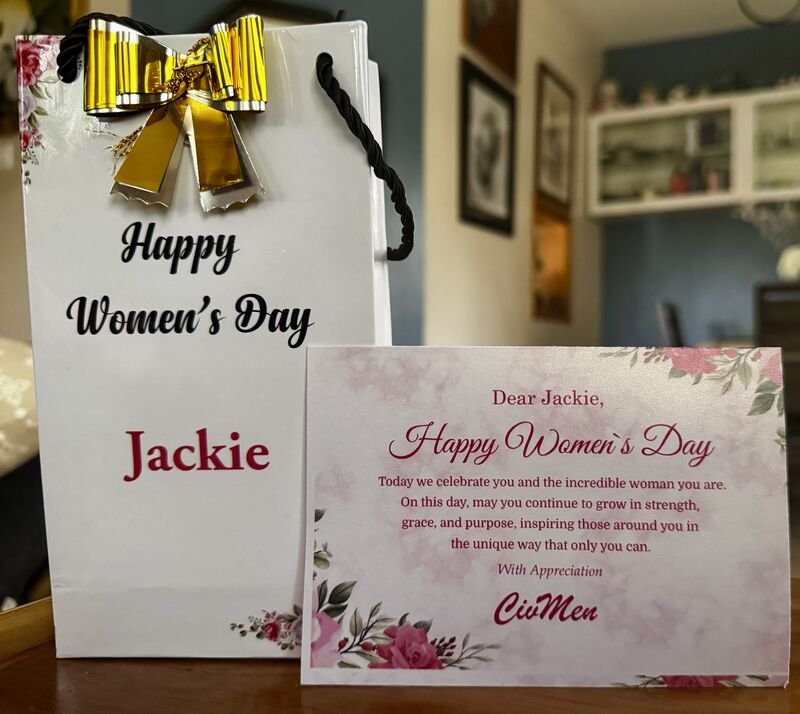
At CivSource Africa, team culture is shaped through care, appreciation, and the everyday choices colleagues make to show up for one another. This International Women’s Day, the CivMen marked the occasion with a thoughtful surprise: delivering gifts directly to the women of CivSource Africa at their homes.
The gesture was simple, warm, and deeply meaningful. Beyond the gifts themselves, it reflected a workplace culture where professionalism sits alongside joy, where appreciation is expressed openly, and where people are valued as part of a shared community.
It was a beautiful reminder that culture is not only written in policies. It is lived in thoughtful actions, generous gestures, and the quiet ways teams choose to honour one another.
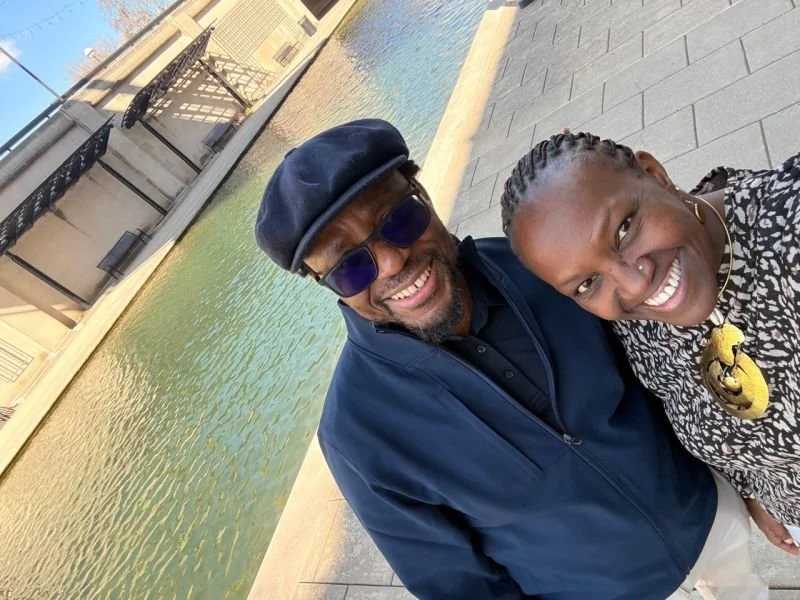
A recent Walk.Talk.Connect with Prof. Bhekinkosi Moyo offered a powerful reflection on mentorship, intellectual generosity, and the quiet ways scholars help shape fields and futures.
As a leading voice in African philanthropy through CAPSI: Centre on African Philanthropy and Social Investment, Prof. Moyo has contributed significantly to how the continent studies and advances giving. But beyond the institutional work, this reflection honours the generosity that often goes unnamed: the doors opened, the questions answered, the encouragement offered, and the relationships nurtured over time.
As CivSource Africa, CivLegacy Foundation, and Makerere University’s College of Humanities and Social Sciences begin building Ukarimu, a Center for African Philanthropy and Social Impact, Prof. Moyo’s wisdom and companionship offer an important reminder: African philanthropy grows stronger when knowledge is shared, leaders are mentored, and influence is used to lift others.
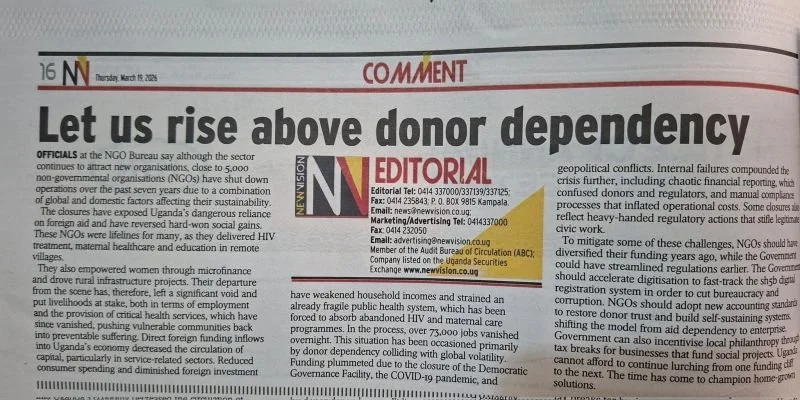
Across the nonprofit sector, the call to move beyond donor dependency has become increasingly urgent. But for many NGO leaders, this shift is not a neat strategy exercise. It is happening while budgets are shrinking, programmes are being closed, staff are being let go, and communities still need support.
This reflection invites a more honest conversation about what it takes to build beyond dependency. Local giving, institutional transformation, and long-term resilience require trust, infrastructure, investment, culture, and time. The question is not only whether NGOs must change, but how the sector can build what comes next without ignoring the real people and systems caught in the transition.
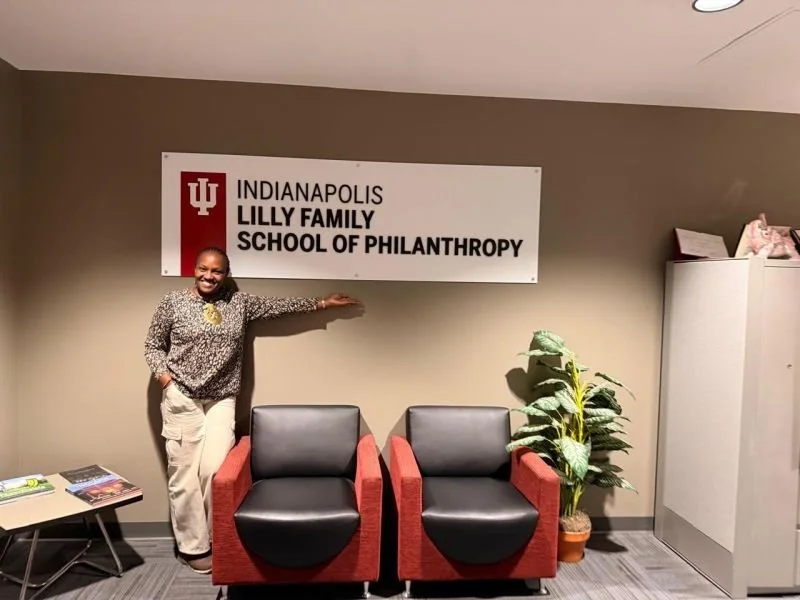
As CivSource Africa, CivLegacy Foundation, and the College of Humanities and Social Sciences at Makerere University take steps toward establishing Ukarimu, a centre for the study of philanthropy serving East and the Horn of Africa, the work begins with learning.
A recent visit to the Indiana University Lilly Family School of Philanthropy, made possible through an introduction by Prof. Bhekinkosi Moyo, offered a moment of reflection, exchange, and humility. It was a reminder that building well requires listening to those who have gone before, honouring existing knowledge, and entering new beginnings with both courage and openness.
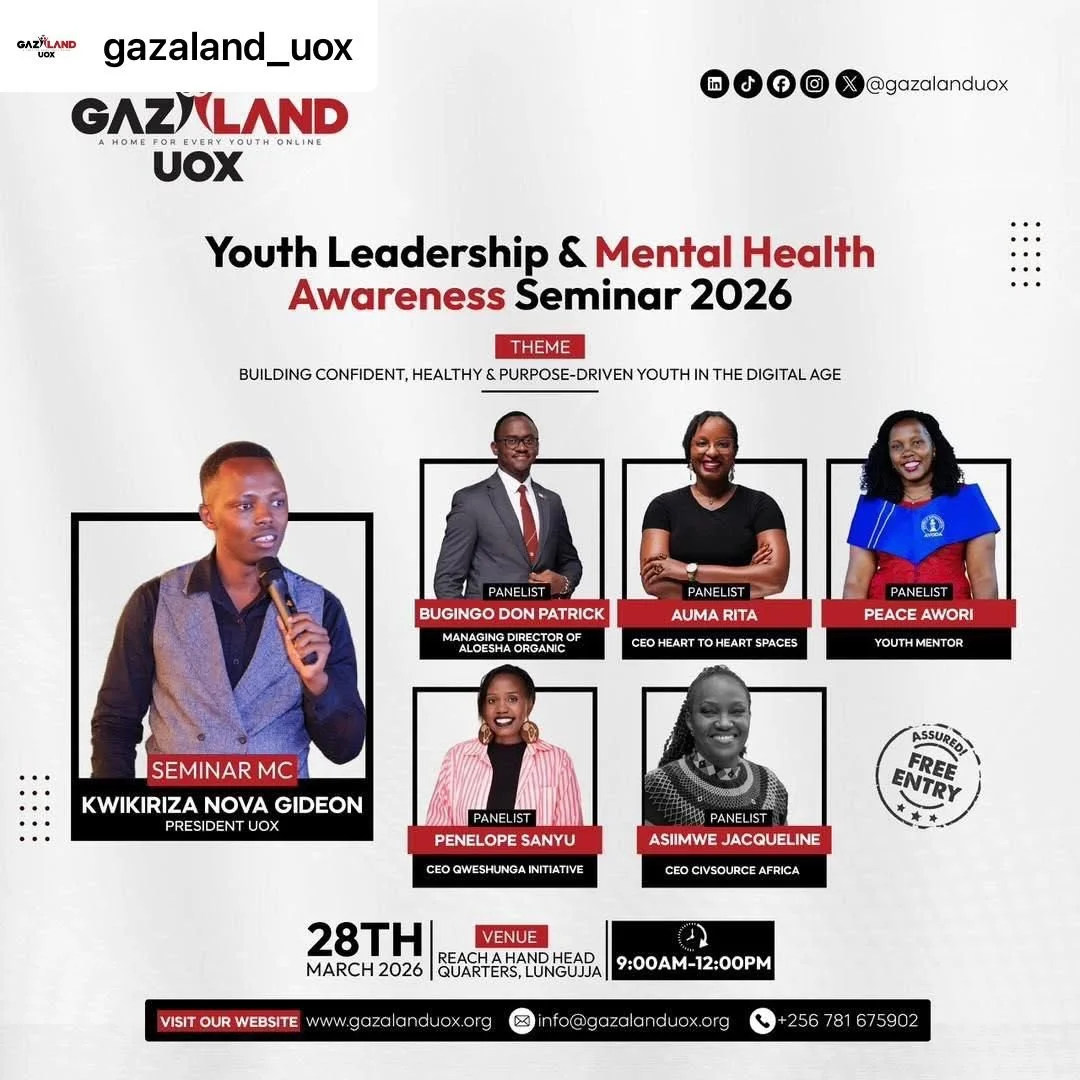
CivSource Africa CEO Jacqueline Asiimwe was invited to speak at the Gazaland UOX Seminar, a youth-focused space created to support learning, connection, and growth among young people.
During her session, she reflected on confidence as a practice shaped through presence, focus, listening, and the ability to stay grounded without rushing to perform. Through a simple eye-contact exercise, participants were invited to experience confidence as something quieter and deeper than volume: the discipline to pay attention, the courage to be fully present, and the generosity to truly see another person.
The session was a reminder that investing in young people means creating spaces where they can build confidence, relationships, and possibility that can shape their lives far beyond the room.